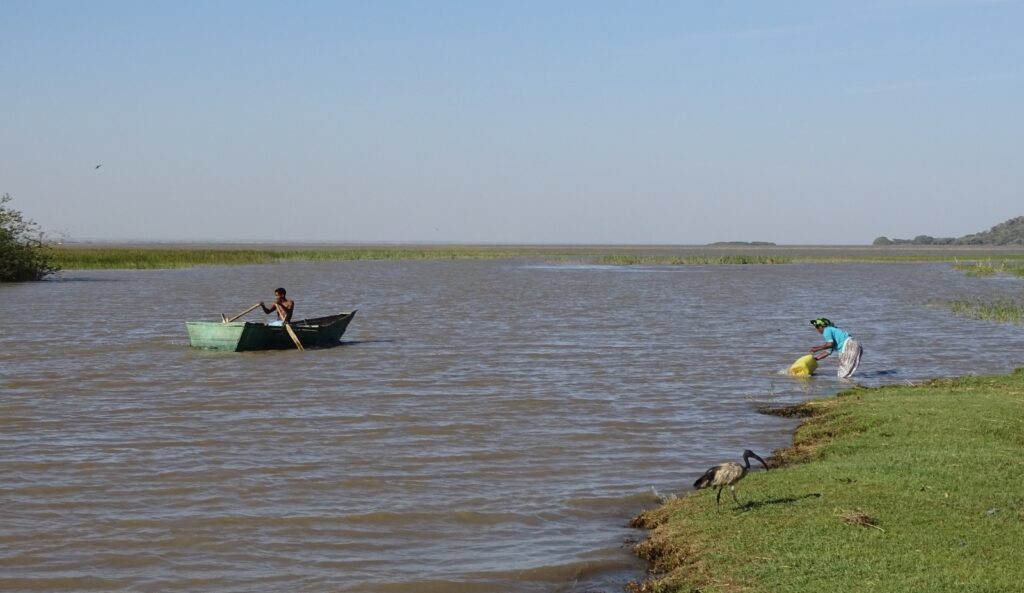

For generations, Lake Ziway has been the beating heart of Ethiopia’s Central Rift Valley.
Stretching across approximately 440 square kilometres and located about 160 kilometres south of the capital Addis Ababa, the freshwater lake has sustained communities, nourished wildlife, supported fisheries, and powered agricultural production in one of Ethiopia’s most productive regions.
Today, however, this ecological treasure is under mounting pressure from human activity and climate change, raising fears about its long-term survival.
Scientists and conservationists warn that the lake is facing a complex web of environmental challenges driven by uncontrolled water abstraction, agricultural pollution, invasive species, and shifting climate patterns.
Together, these pressures are causing declining water levels, deteriorating water quality, shrinking fish stocks, and the gradual degradation of the ecosystems that millions depend upon.
The stakes could not be higher.
An estimated two million people rely directly on the Lake Ziway watershed for domestic water, farming, fishing, and other economic activities. Beyond the immediate catchment area, the lake forms a crucial part of the wider Ziway–Shalla sub-basin, a landscape that supports approximately seven million people across Ethiopia’s Rift Valley.
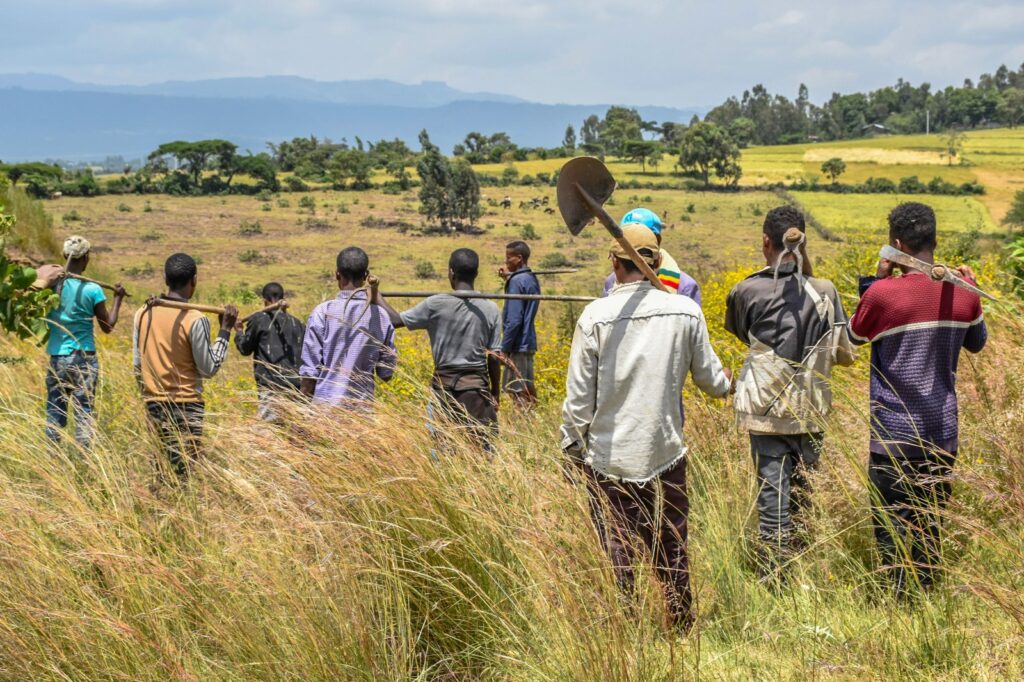
Yet signs of ecological distress are increasingly visible. More than 10% of the lake’s surface is now covered by invasive water hyacinth, a fast-spreading aquatic weed that chokes waterways, depletes oxygen levels, disrupts fishing, and threatens biodiversity.
Meanwhile, rapid population growth and the expansion of irrigated agriculture, including Ethiopia’s thriving floriculture sector, have intensified competition for water resources.
Experts say the challenges facing Lake Ziway mirror a wider crisis unfolding across Africa’s freshwater ecosystems. From Lake Victoria in East Africa to Lakes Tanganyika and Malawi further south, many of the continent’s largest freshwater bodies are grappling with declining water quality, invasive species, unsustainable resource extraction, sedimentation, and climate-induced changes in rainfall patterns.
The health of these lakes is increasingly linked to the resilience of food systems, biodiversity conservation, and climate adaptation efforts across the continent.
Against this backdrop, conservation organisation Wetlands International and Sher Ethiopia have launched an ambitious initiative aimed at restoring the health of Lake Ziway and the surrounding landscape.
Supported by the Embassy of the Kingdom of the Netherlands in Ethiopia, the three-year Ziway Lives and Landscapes Project seeks to tackle some of the lake’s most urgent environmental threats through improved water governance, soil conservation, wetland restoration, and community-led action.
The initiative also aims to create a model for landscape-scale restoration that can be replicated across the wider basin and beyond.
“Reversing the degradation of Lake Ziway and its impacts on people and nature can only be tackled together through a collaborative response that mobilises everyone, including communities and companies,” said Simeneh Shiferaw, Programme Coordinator at Wetlands International Ethiopia.
“Our groundbreaking partnership with Sher Ethiopia is a pathway to a brighter future because it will not only showcase solutions but also inspire a broader collective effort that enhances the health of the landscape and drives sustainable development.”
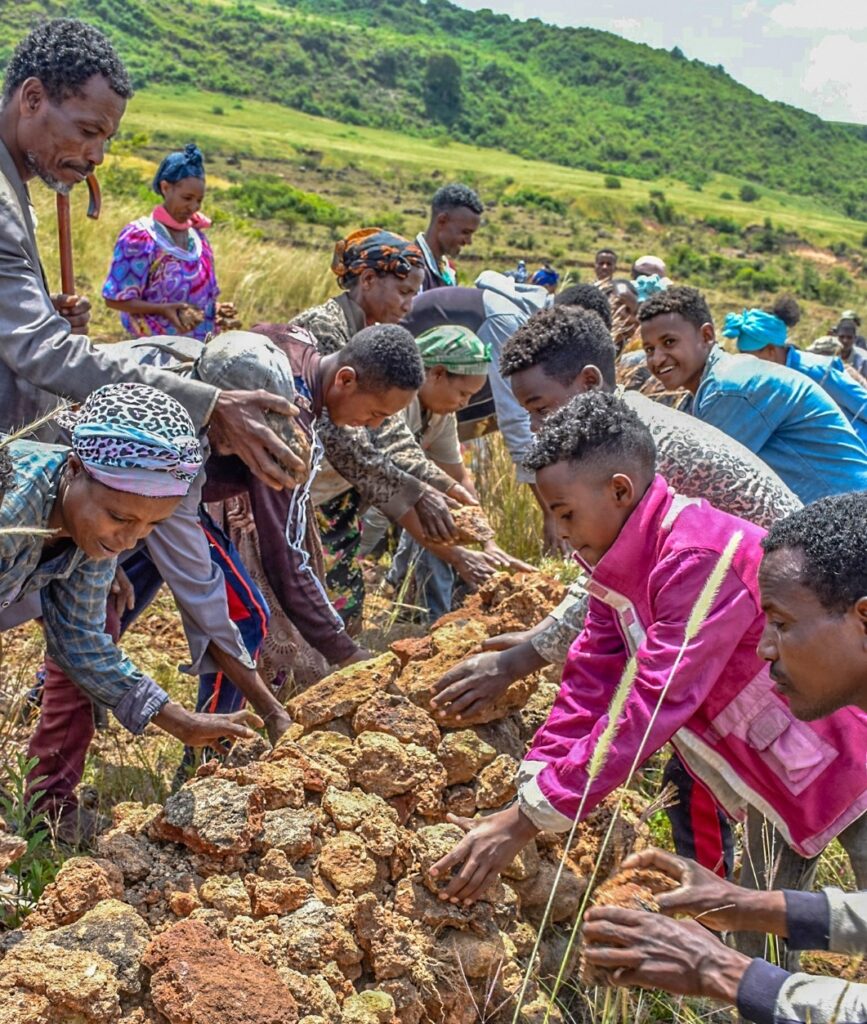
The project will focus on three interconnected pillars designed to restore ecological balance while strengthening local livelihoods.
Among its targets are the restoration of 300 hectares of degraded upland areas using nature-based solutions, the establishment of 50 hectares of protected buffer zones along the lakeshore, and support for 300 smallholder farmers to improve water-use efficiency by at least 15 per cent.
The programme also seeks to reduce the use of chemical fertilisers and pesticides by 20 per cent and mobilise communities to remove 50,000 kilograms of water hyacinth from the lake.
For Sher Ethiopia, one of the country’s major flower producers and part of the Dutch flower company Afriflora, the initiative represents an opportunity to align business interests with environmental stewardship.
“Lake Ziway is critical for local communities, farmers, businesses and biodiversity, and Sher Ethiopia is committed to playing our part in the collective effort to restore it and build resilience,” said Lulit Tadele, Director of Sher Ethiopia.
“This initiative will help safeguard the health of the lake that underpins the future of our community and opens the door for other companies to support the restoration of degraded landscapes while helping to achieve national goals on climate, nature and sustainable development.”
The project’s backers argue that private sector participation will be essential if restoration efforts are to achieve lasting impact.
“There is no silver bullet for the challenges facing Lake Ziway,” said Alwin Quispel, Counsellor for Agriculture and Nature at the Embassy of the Kingdom of the Netherlands in Ethiopia.
“We believe the answer lies in unprecedented collective action that includes strong contributions from the private sector. This innovative initiative will kickstart a new era of cooperation and environmental restoration in the landscape, benefiting communities and economies, reversing nature loss, and strengthening climate adaptation.”
According to global climate assessments, freshwater ecosystems are among the most threatened habitats on Earth, with wetlands disappearing at three times the rate of forests.
Across Africa, rising temperatures, erratic rainfall patterns, land degradation, and growing demand for water are placing unprecedented strain on lakes and rivers that support millions of people.
Lake Ziway’s story therefore reflects a broader struggle playing out across the continent as countries seek to balance economic growth, food production, biodiversity conservation, and climate resilience.
Whether the Ziway Lives and Landscapes Project succeeds may ultimately depend on its ability to unite governments, businesses, communities, and conservation groups around a shared vision for the future. If successful, it could provide a blueprint for restoring freshwater ecosystems not only in Ethiopia but across Africa’s increasingly threatened lake basins.
For now, conservationists hope the initiative marks the beginning of a turning point for a lake whose fate is deeply intertwined with the future of millions of people and the landscapes they call home.