
By Katerina Veloni
Africa could face a fresh wave of food insecurity in the coming months as a developing El Niño weather phenomenon threatens to disrupt rainfall patterns across some of the continent’s most vulnerable agricultural regions, the Food and Agriculture Organization (FAO) has warned.
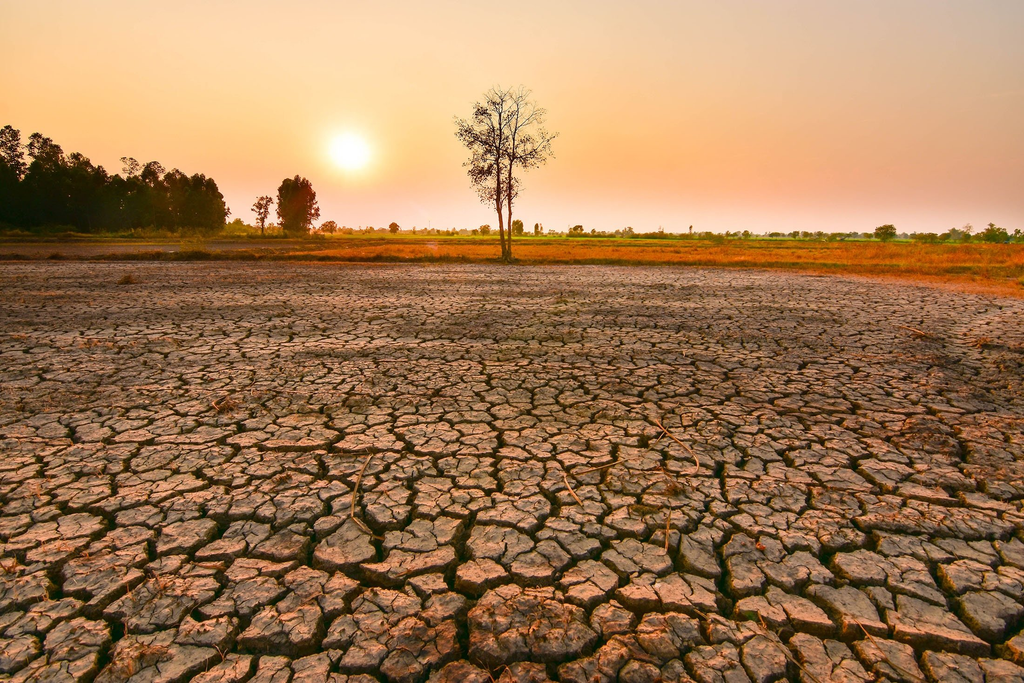
According to FAO, the greatest risks are emerging in the Sahel and Southern Africa, where some farming and grazing areas face more than a 50 per cent chance of drought as El Niño conditions strengthen.
The UN agency said in a statement that the climate phenomenon could significantly affect crop production, livestock health, water supplies and rural livelihoods, placing millions of people at risk of worsening hunger.
“El Niño-induced climate hazards pose high risks to food security,” FAO said, warning that changing rainfall and temperature patterns could severely affect agricultural production and rural incomes.
The warning comes as many African countries continue to struggle with recurring droughts, land degradation, water scarcity and rising food prices, challenges that have already weakened the resilience of farming communities.
FAO said El Niño has the potential to alter normal weather patterns across the globe, triggering prolonged droughts in some regions while causing floods and storms in others. Although the phenomenon originates in the Pacific Ocean, its effects are often felt across Africa through changes in rainfall distribution and temperatures.
Recent forecasts suggest the current El Niño could become particularly strong, prompting concern among humanitarian agencies and governments.
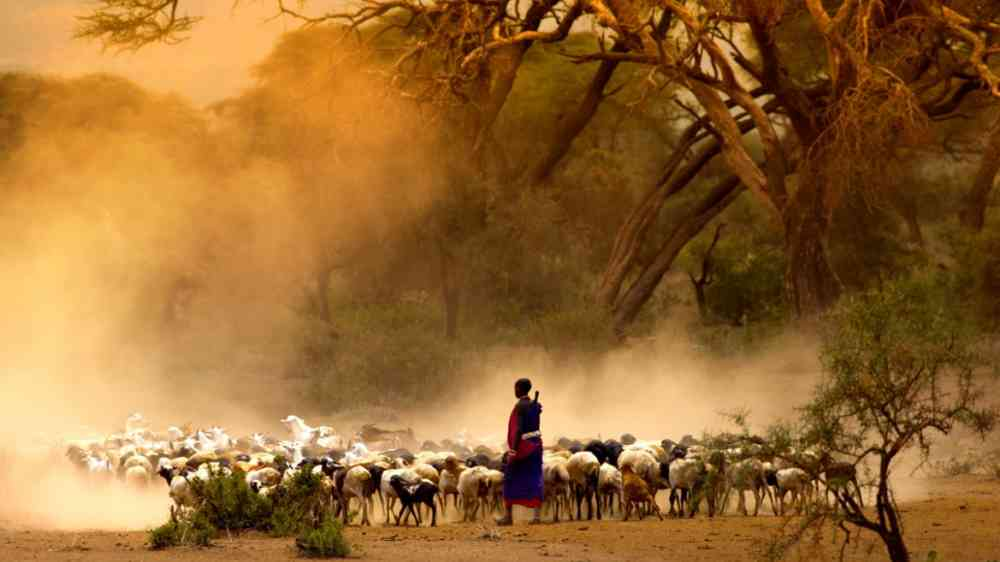
According to assessments cited by FAO and the World Food Programme (WFP), nearly 8.8 million people in 22 high-risk countries may require support to withstand climate-related shocks linked to El Niño.
Agriculture remains one of Africa’s most climate-sensitive sectors. Across the continent, millions of smallholder farmers and pastoralists depend on seasonal rainfall to sustain crops and livestock. Reduced rainfall can lead to crop failures, shrinking harvests, drying pasturelands and livestock deaths, undermining food security and household incomes.
The warning comes as Somalia continues to battle one of the world’s most severe food crises. FAO, UNICEF and WFP recently reported that about six million people in the country are facing serious food insecurity due to drought, economic pressures and climate-related shocks. Nearly two million children are affected by acute malnutrition.
Across the continent, humanitarian agencies say climate shocks are increasingly combining with conflict and economic instability to drive hunger.
In a recent report, FAO and WFP identified several global hunger hotspots where food insecurity is expected to worsen between June and November. Sudan and South Sudan were among the countries listed as areas of highest concern, while Somalia and northeastern Nigeria were also highlighted for deteriorating food conditions.
The agencies said conflict remains the leading cause of hunger in many of these countries, but climate extremes such as droughts and floods are increasingly worsening the crisis.
FAO also warned that extreme heat is placing growing pressure on global food systems. A recent report by the FAO and the World Meteorological Organisation (WMO) found that more than 1 billion people are exposed to extreme heat, with agriculture among the sectors hardest hit.
According to the report, rising temperatures are affecting crop yields, livestock productivity and fisheries while reducing the capacity of rural communities to adapt to changing climate conditions.
FAO is urging governments, donors and development partners to act before the impacts of El Niño become more severe. The agency said investments in early warning systems, climate-resilient agriculture, water management, drought preparedness and farmer support programmes can help reduce losses and prevent humanitarian crises.
Experts say that while El Niño is a natural climate phenomenon, its impacts are being amplified by climate change, which is increasing the frequency and intensity of extreme weather events.