
By Juliet Akoth Ojwang
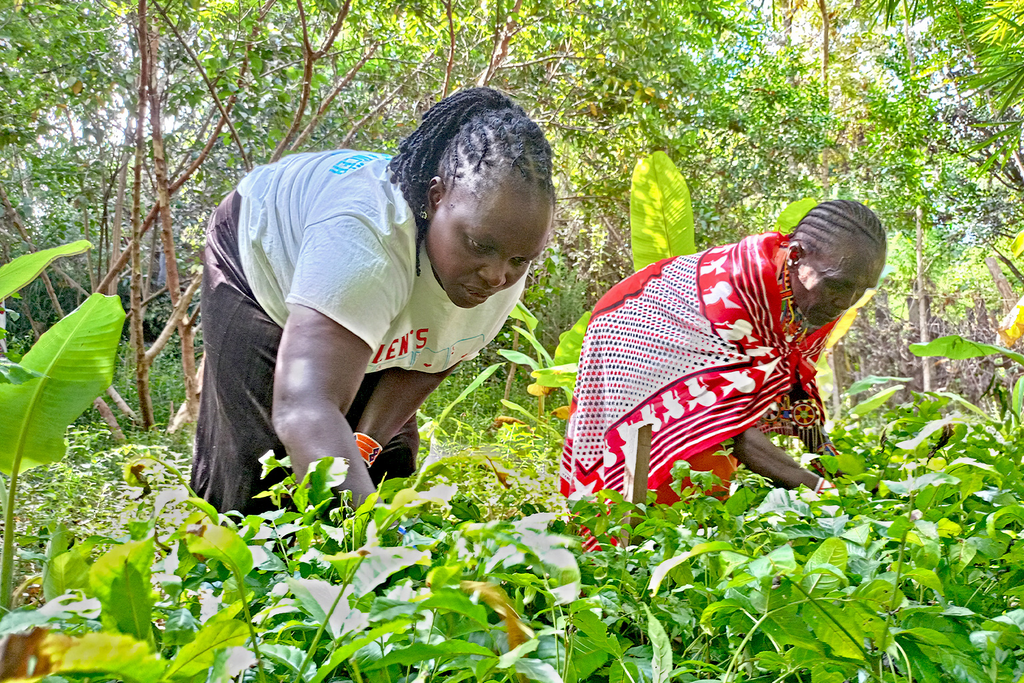
Before dawn breaks over Eor Ewaso, a village in Narok County, Judy Mukut is already awake. By 6:30 a.m., she has fetched water, milked the family’s cattle, prepared breakfast, cleaned the house and seen her children off to school. Only then does she leave for a resource center run by the Paran Women Group, where another day of conservation work begins.
For Mukut, conserving the Mau Forest must fit into the few hours left after fulfilling the responsibilities expected of her as a Maasai wife and mother. Yet this balancing act reflects a quieter transformation taking place across one of Kenya’s most important forest ecosystems.
As Indigenous women restore degraded sections of the forest, they are also earning independent incomes, participating in household decisions and reviving traditional ecological knowledge that sustained their communities for generations.
Founded in 2005, the Paran Women Group has grown into a network of 64 registered Indigenous women’s groups, primarily drawn from Maasai and Ogiek communities in Narok County, with members also in West Pokot and Samburu counties. Through community-managed tree nurseries, kitchen gardens, village savings groups, beekeeping and landscape restoration, Paran has connected environmental conservation with women’s empowerment.
To coordinate its expanding network, Paran established seven community resource centers that serve as demonstration and learning sites where women raise seedlings, receive technical training and exchange traditional knowledge.
“The work has taught us how to organize ourselves,” Mukut said. “Even with all the responsibilities at home, we have learned that if we plan our day well, we can still attend meetings, take care of our families and contribute to restoring the environment. We are no longer waiting for other people to make decisions because we know our contribution matters.”
With funding from the Swedish International Development Cooperation Agency (Sida), Vi Agroforestry has supported Paran’s members in using agroforestry as a practical bridge between landscape restoration and household well-being. By integrating trees with crops, women can improve soil health and farm resilience, diversify their incomes and reduce pressure on surrounding forests.
The support has strengthened a model designed around women’s daily realities. Tree nurseries, kitchen gardens and other livelihood activities are established close to women’s homes, allowing them to participate without abandoning their family responsibilities. The approach recognizes that lasting restoration depends not only on planting trees but also on strengthening the people who care for them.
For Nancy Letina, chairperson of Namaiyana Women’s Group within the Paran network, joining the organization in 2021 transformed both her understanding of conservation and her family’s economic future.
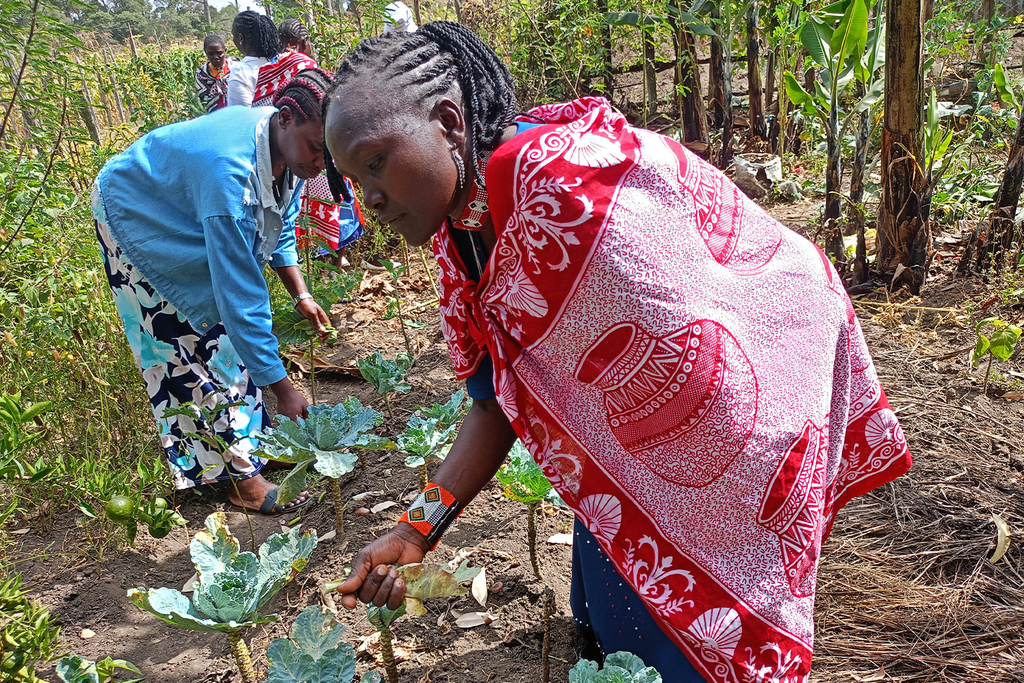
“Previously, as Maasai women, we depended on our husbands for everything, even household items like salt,” Letina said.
Her circumstances changed dramatically in 2019 when her husband died, leaving her responsible for providing for their four children. The first two years were difficult. Together with several women facing similar hardships in Olomaiayana-Iltirben village in Melelo Ward, Letina formed a self-help group whose members supported one another during times of need. Their prospects began to improve when the group joined Paran and received training in sustainable livelihood activities.
“We gained knowledge that showed us that every woman can also fend for herself,” Letina said. “Today, women have their own income. We can pay school fee arrears when our children are sent home and respond to emergencies without waiting for assistance.”
Her group manages a 0.2-hectare tree nursery where members grow Indigenous species that supports biodiversity, contributes to forest restoration and widely used in traditional medicine. Since joining Paran, Letina’s group has sold 10,600 Indigenous tree seedlings to the organization, with the proceeds supporting individual members and collective activities.
Members also participate in village savings and loan programs with weekly contributions of as little as 100 Kenyan shillings, allowing women to borrow between 2,000 and 8,000 shillings during emergencies. These loans help families pay school fees, invest in small businesses or purchase livestock without resorting to cutting trees for charcoal or harvesting timber.
Esther Kigen, a member of the Masi Group, said Paran’s training on women’s rights has encouraged women to participate in family decisions traditionally reserved for men.
For Ntoiye Kimorgo of Naretoi Women’s Group, restoration is equally about protecting Indigenous knowledge. A traditional herbal practitioner, she encourages every woman in her group to plant native medicinal trees alongside vegetables because the plants remain central to Maasai health care and culture.
“These trees have always helped us treat different illnesses,” Kimorgo said. “If they disappear, we lose more than a forest. We lose knowledge that has been passed from our grandparents to us. Every woman in our group has planted medicinal trees because we know their value.”
Older women mentor younger members through storytelling, seed collection, nursery management and demonstrations of the medicinal uses of native plants. Kitchen gardens producing kale, jute mallow, amaranth and other traditional vegetables improve household nutrition while generating additional income through local markets.
Paran Executive Director Naiyan Kiplagat said the organization’s work has always been about more than restoring degraded forests. From the outset, Paran sought to address the environmental and social challenges facing Indigenous women simultaneously, recognizing that conservation cannot be sustained without strengthening the communities that depend on the forest.
Unlike restoration initiatives that prioritize fast-growing exotic trees, Paran focuses mainly on Indigenous species that once dominated the Mau ecosystem. For Kiplagat, who is Ogiek and connected to the Maasai community through marriage, protecting these species also means protecting the knowledge associated with them.
“We believe in traditional knowledge, innovation and collective action,” she said. “If our elders leave without passing that knowledge to the younger generation, then we lose something very important. Conservation is not only about planting trees. It is also about making sure our children understand why those trees matter.”
Paran has also received support from several development partners. These include TerraFund under the AFR100 Landscapes program, an initiative supported by the World Resources Institute, and the United Nations Development Programme’s Climate Promise, which combines agroforestry with community-resilience activities.
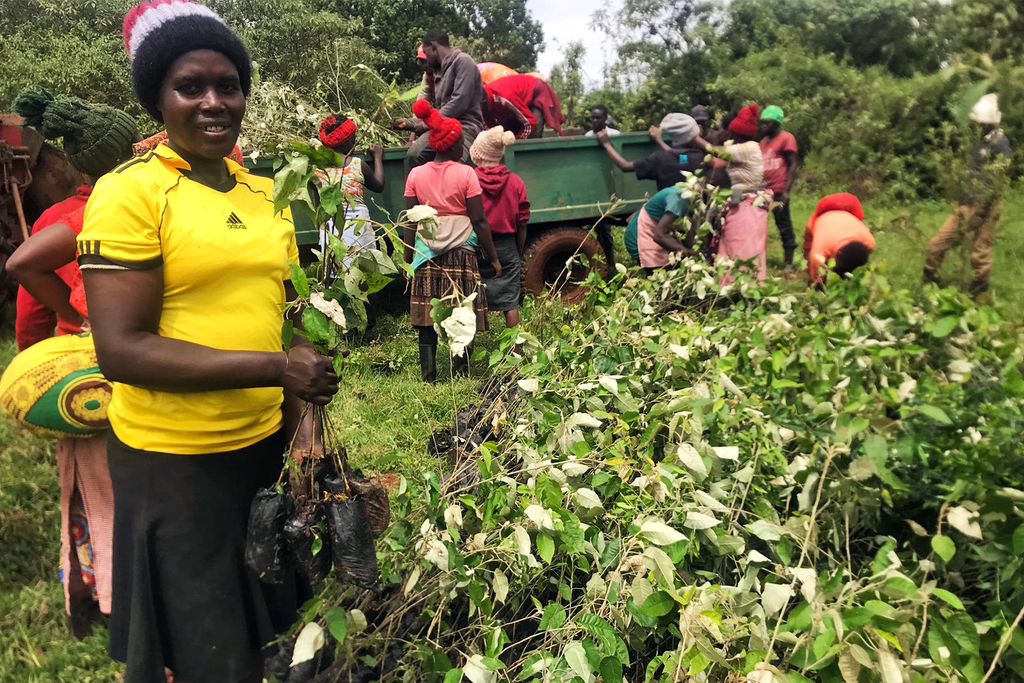
Kiplagat said these partnerships have demonstrated that Indigenous women can lead restoration at scale when they receive adequate financial and technical support. Paran’s achievements have also gained international recognition, including the Gender Justice Climate Solutions Award presented during COP28 in Dubai in 2023.
The Kenya Forest Service has become one of Paran’s closest technical partners. It provides guidance on species selection, nursery establishment, site matching and restoration methods, while the women mobilize communities and raise Indigenous seedlings. Frederick Kibichi, a forester in Narok South Sub-county, said the partnership has produced encouraging ecological results despite increasingly frequent droughts.
Beyond restoring forest blocks, Paran has supplied Indigenous seedlings to schools and community tree-planting activities. Humphrey Omollo, an assistant county commissioner for Ololulunga Division in Narok South Sub-county, said government participation in these activities strengthens community ownership while recognizing women as environmental leaders.
Although agroforestry can restore degraded landscapes and strengthen livelihoods, dryland agroforestry has historically received limited political attention. The East African Dryland Agroforestry Expert Group was established through the support of VI Agroforestry to help address this gap by providing policymakers with scientific evidence, practical knowledge and community perspectives.
The transformation is reshaping local expectations. Men have begun creating groups affiliated with Paran after witnessing women improve their livelihoods through tree nurseries, kitchen gardens and savings programs. Vincent Leteipa, a 31-year-old resident of Eor Ewaso, said he was inspired by women in his community who had strengthened their livelihoods through these activities.
For Mukut and hundreds of other Indigenous women, restoring the Mau Forest is about far more than repairing a damaged ecosystem. It is about creating livelihoods that reduce pressure on the forest, safeguarding traditional ecological knowledge and demonstrating that conservation is strongest when the people who have lived alongside a landscape for generations are trusted to lead its recovery.
Through Vi Agroforestry’s support and the Expert Group’s policy engagement, their experience is also helping shape a wider understanding of women-led agroforestry. The work taking place in Paran shows that restoring East Africa’s vulnerable landscapes about strengthening livelihoods, sharing power and ensuring that community knowledge reaches the tables where decisions are made.
The article has been republished from Mongabay. https://news.mongabay.com/2026/08/meet-the-indigenous-women-restoring-kenyas-mau-forest-and-reshaping-gender-roles/