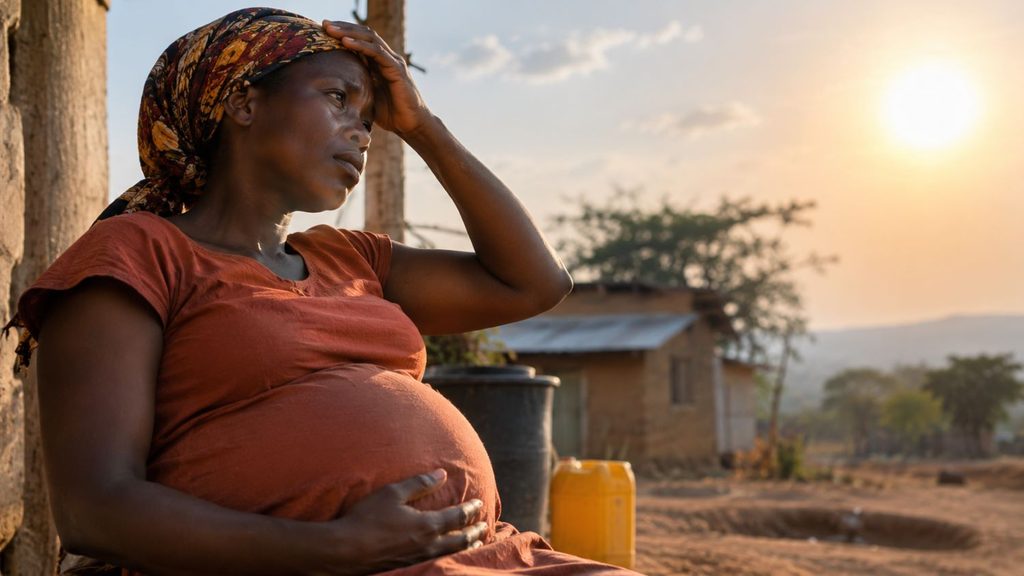

Extreme heat is making pregnancy more complicated for women across the world, a new study has revealed.
According to the study, nearly 73% of maternal health professionals surveyed in Australia, Brazil, India, the United Kingdom and Zimbabwe said heat-linked cases or complications had increased over the past five years.
Almost all respondents said they had cared for a pregnant woman or a baby whose health they believed extreme heat had affected.
The survey, commissioned by the Global Health Foundation, Wellcome, comes as climate scientists and health experts examine what rising temperatures mean for some of the most vulnerable stages of human life: pregnancy, childbirth and the first days of a newborn’s life.
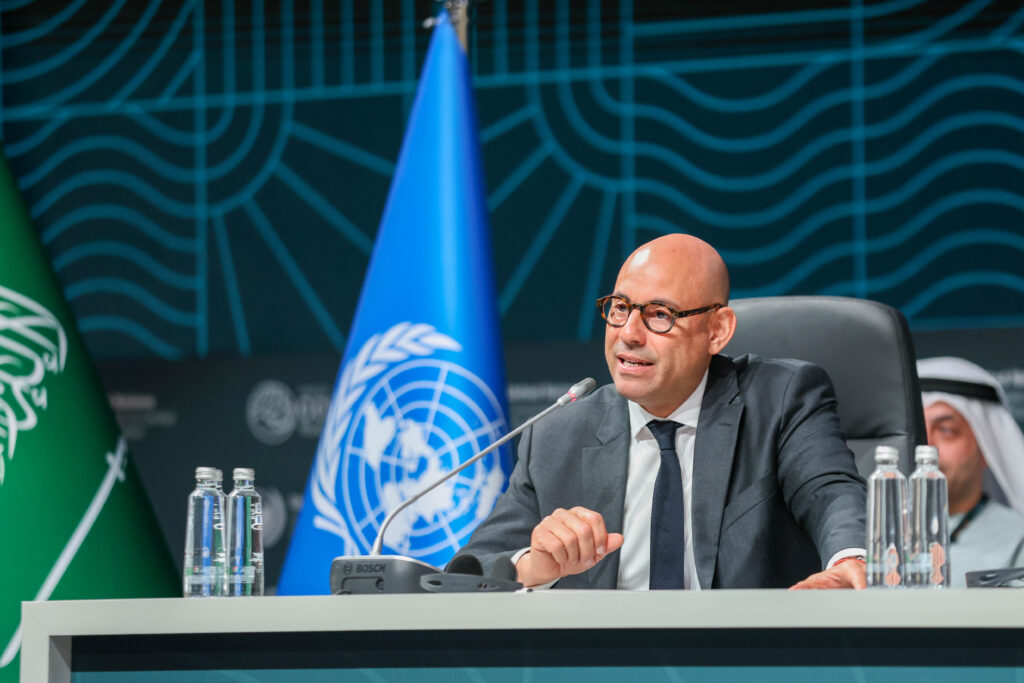
UN Climate Change Executive Secretary Simon Stiell described pregnancy and birth as “a new fault line in the global climate crisis” in remarks delivered in Fiji.
“The picture is clear and very disturbing,” Stiell said, warning that the fault line could deepen existing inequalities if governments fail to protect pregnant women and newborns from worsening heat.
According to the research, every 1°C increase in temperature is associated with a 5% increase in premature births and a 7% increase in gestational diabetes.
The findings point to a wider problem that is mainly important for countries where access to cooling, water, electricity and healthcare is uneven. Stiell highlighted this inequality. “‘Staying cool’ is simply not an option when there is no cool place to go,” he said.
That observation matters in a maternity ward as much as it does at home. A pregnant woman who works outdoors, lives in poorly ventilated housing or has to travel a long distance to reach a clinic cannot simply avoid extreme heat by remaining indoors.
Health workers face the same problem as midwives or nurses working through a prolonged hot spell are expected to care for women and newborns while also coping with the heat themselves.
The implications extend beyond individual pregnancies, with extreme heat likely to put additional pressure on health systems already dealing with shortages of staff, medicines, equipment and space.
That is why Stiell is calling for pregnancy and newborn care to be included in national heat and climate-adaptation plans to facilitate inclusion in budgets, monitoring and preparedness.