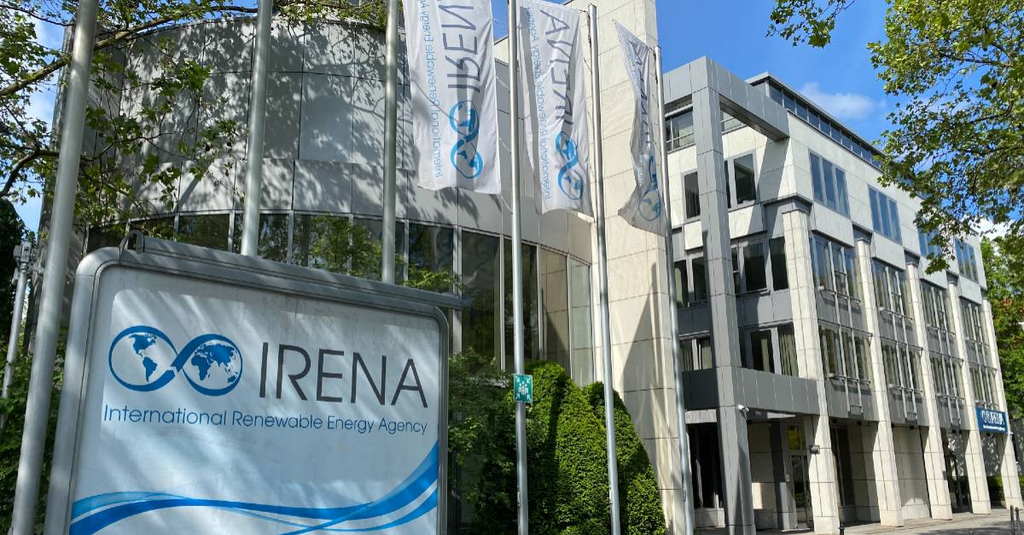

The International Renewable Energy Agency (IRENA) is reinforcing the growing global momentum to phase out fossil fuels, offering fresh economic evidence that renewable energy can now provide reliable electricity around the clock at lower costs than coal and gas in many regions.
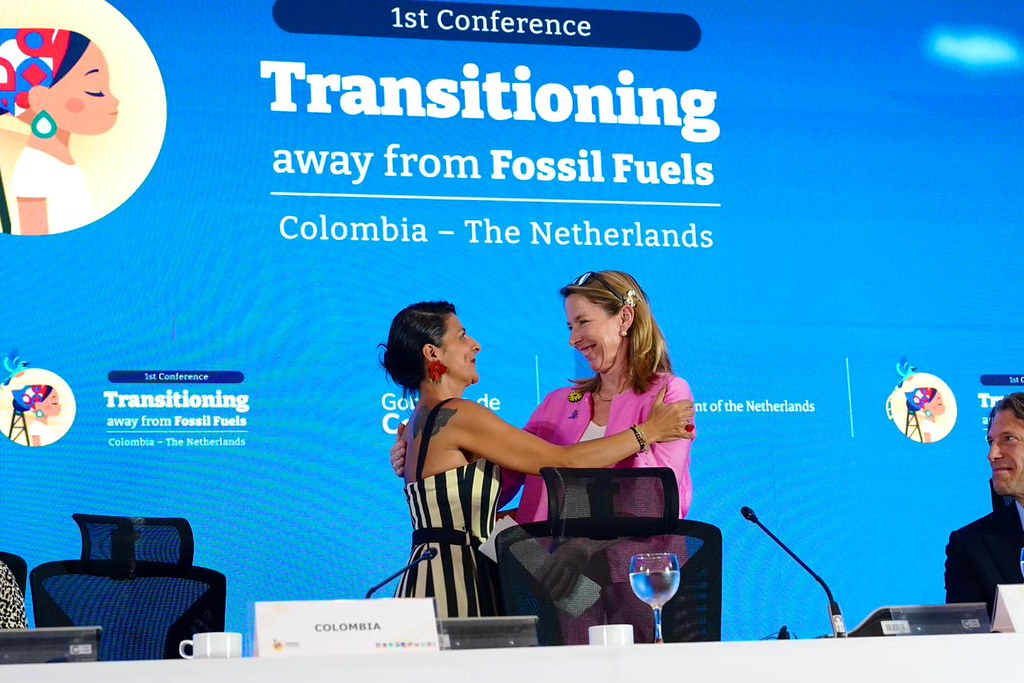
The findings come just weeks after the landmark Santa Marta climate conference in Colombia, where nearly 60 countries gathered to develop practical roadmaps for transitioning away from fossil fuels. The conference marked a significant shift in global climate diplomacy, focusing not on whether fossil fuels should be phased out, but on how to do it.
In its report, 24/7 renewables: The economics of firm solar and wind, IRENA says that combinations of solar power, wind energy and battery storage are now capable of delivering a dependable electricity supply at costs increasingly cheaper than fossil fuel systems.
The agency notes that rapid declines in renewable energy and storage costs are fundamentally changing the economics of global power generation.
According to IRENA, firm renewable electricity systems already outperform new coal and gas plants in regions with strong renewable resources such as China, India, Brazil, South Africa, and Australia.
The agency found that solar-plus-storage systems can produce electricity at between USD 54 and USD 82 per megawatt-hour in high-resource regions, lower than the cost of many new fossil fuel plants.
The report strengthens one of the central arguments emerging from the Santa Marta conference that fossil fuel dependence is no longer only an environmental risk, but also an economic liability.
Delegates at the Colombia summit repeatedly warned that volatile oil and gas markets, geopolitical conflicts and rising energy insecurity are accelerating the need for countries to shift toward renewable energy systems.
The growing crisis in the Middle East has further intensified those concerns, with renewed regional instability raising fears of oil supply disruptions and fresh spikes in global energy prices.
Analysts say tensions affecting key shipping routes and major oil-producing regions are once again exposing the vulnerability of economies heavily dependent on fossil fuel imports. The uncertainty has renewed pressure on governments to accelerate investments in domestic renewable energy systems that are less exposed to geopolitical shocks.
Several participants at the Santa Marta summit pointed to previous global energy crises triggered by wars and political instability as evidence that energy security can no longer rely on fossil fuel supply chains concentrated in conflict-prone regions.
Santa Marta was widely described as the first major international gathering dedicated entirely to building pathways away from fossil fuels.
Co-hosted by Colombia and the Netherlands, the summit sought to create what organizers called a “coalition of the willing” capable of moving faster than the traditional United Nations climate negotiations, which many participants say have been slowed by fossil fuel interests.
The conference ended with participating countries agreeing to develop voluntary national roadmaps for phasing out fossil fuels while expanding investments in renewable energy and clean technologies.
Analysts say the new IRENA findings provide economic backing for those proposed transition plans by showing that renewable systems are increasingly the cheapest and most secure energy option available.
The report also aligns with discussions at Santa Marta around energy security and industrial competitiveness. Participants at the summit argued that renewable energy can protect countries from fossil fuel price shocks while supporting growing electricity demand from sectors such as artificial intelligence, manufacturing and digital infrastructure.
IRENA Director-General Francesco La Camera said the global energy transition has reached a turning point because renewable energy technologies are now commercially viable, scalable and increasingly affordable.
The agency projects that the cost of firm renewable electricity could decline by a further 30 percent by 2030, potentially making renewable power systems dramatically cheaper than fossil fuel alternatives across much of the world.
Environmental groups and climate advocates say the IRENA report demonstrates that the debate is rapidly shifting from climate ambition to implementation.