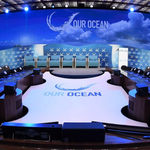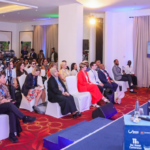
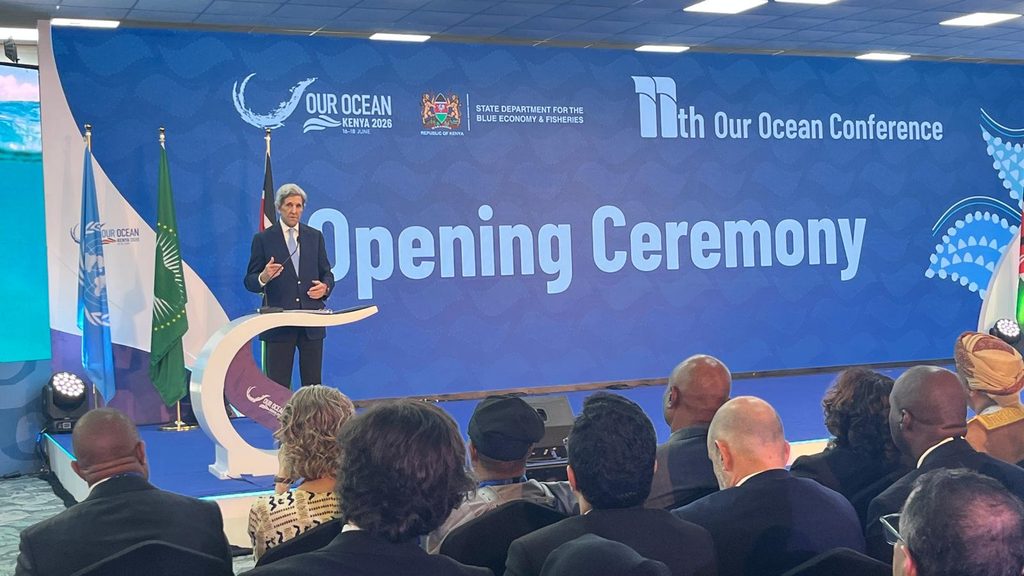

The 11th Our Ocean Conference has officially launched in Mombasa, marking a historic first for the African continent. Under the theme “Our Ocean, Our Heritage, Our Future,” global leaders are gathering to tackle the urgent climate crisis. This summit cements Kenya’s leadership in the global blue economy and its commitment to protecting marine life.
The coastal city is now the epicenter of international diplomacy, hosting thousands of delegates from across the globe. From scientists to heads of state, the mission is clear: we must save our oceans before it is too late. The conference highlights the unique biodiversity of the Swahili Coast and the vital role of African maritime leadership.
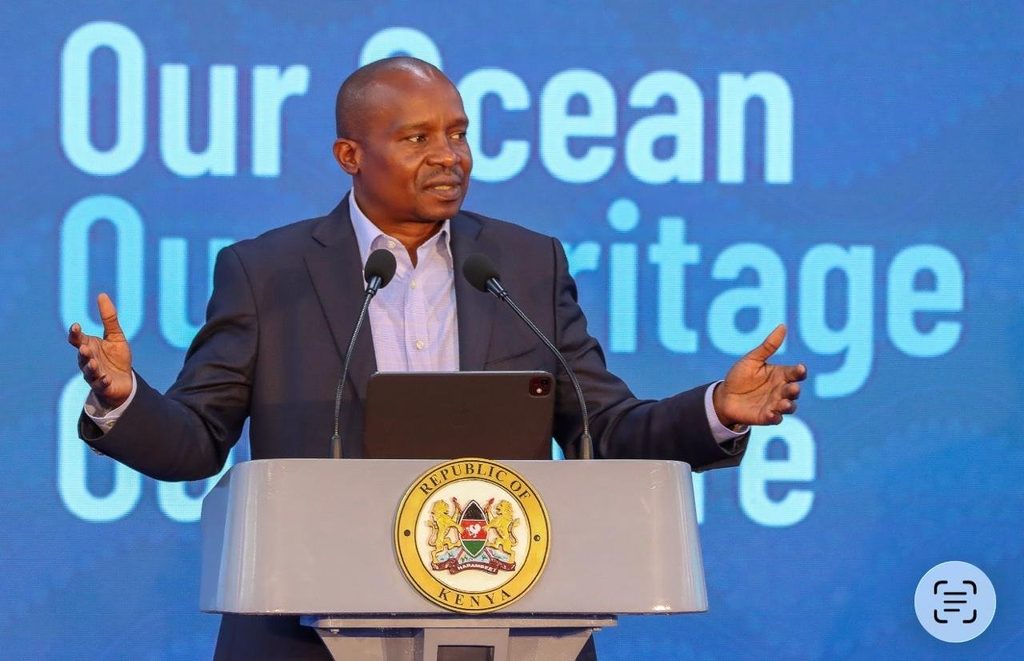
Opening for President William Ruto, Deputy President Kithure Kindiki stressed our collective duty to protect marine biodiversity for future generations. He declared that we hold the ocean in trust for our children and must return it cleaner and richer. The creation of a dedicated Blue Economy Ministry proves Kenya’s strategic focus on sustainable maritime growth.
Kindiki emphasized that the ocean is a life support system that sustains millions of livelihoods across the region. He called for a shift in mindset where conservation is seen as an economic opportunity rather than a burden. By protecting our waters, we are securing the food supply and economic stability for all citizens.
Founder John Kerry challenged nations to accelerate conservation efforts immediately to save our rapidly warming and acidifying seas. He championed the 30×30 initiative, which aims to protect 30 percent of the world’s oceans by the year 2030. Kerry warned that current progress is far too slow and that political will must finally catch up.
Kerry also urged the swift ratification of the High Seas Treaty to safeguard international waters from pollution and overfishing. He noted that the ocean has been protecting us from the worst effects of climate change for decades now. It is time for humanity to return the favor by implementing bold, legally binding protections across the globe.
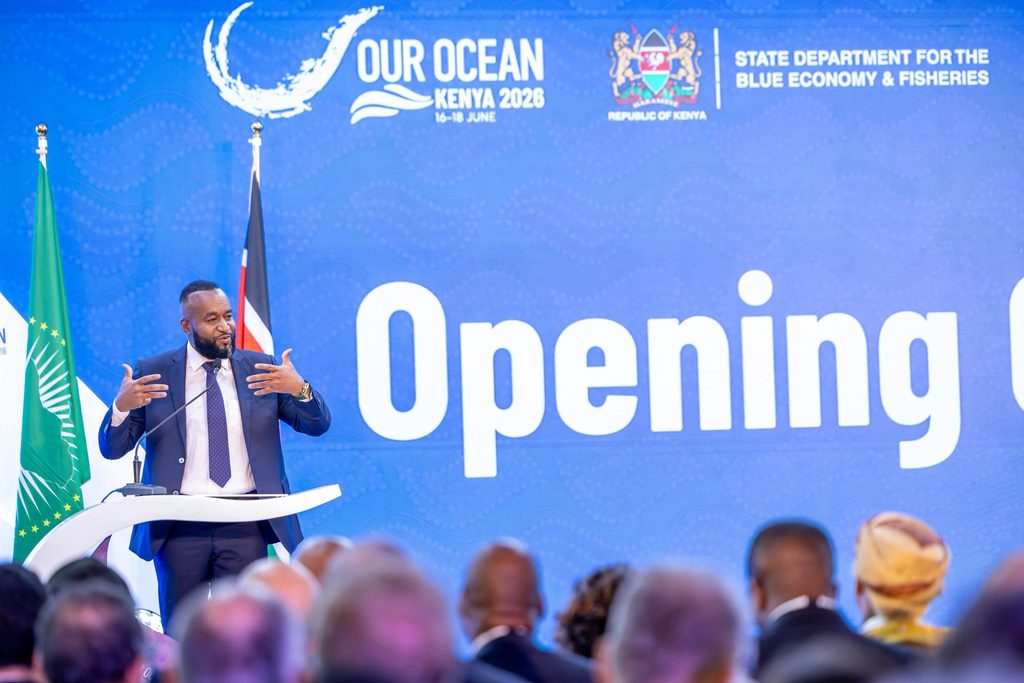
Cabinet Secretary Hassan Joho shifted the focus from high-level talk to real, tangible action for local coastal communities. He proposed a global blacklisting system for vessels engaged in illegal, unreported, and unregulated fishing across international maritime borders. This system would ensure that no rogue vessel can operate freely after violating the laws of any nation.
Joho highlighted that Kenya has already expanded its domestic fishing fleet and built modern infrastructure at sites like Shimoni. These investments are designed to empower local fishermen and ensure that the benefits of the blue economy reach the grassroots. The goal is to turn coastal resources into a sustainable engine for national prosperity and growth.
The conference serves as a vital platform for unlocking blue economy potential while keeping climate sustainability at the very core. By securing billions in conservation commitments, the Mombasa summit bridges the gap between high-level policy and practical field results. These discussions will define the global ocean agenda for the next decade, focusing on equity and innovation.