
Kenya is witnessing a radical transformation in how urban communities perceive and handle refuse as the “Tunataka Taka” movement gains momentum across the country.
The campaign, whose name translates to “We Want Waste,” is driving a nationwide shift toward a circular economy by repositioning discarded materials as valuable resources rather than environmental burdens.
At the center of this revolution is the Kenya Extended Producer Responsibility Organization (KEPRO), which is successfully utilizing digital storytelling to bridge the gap between policy and public action.
Led by CEO James Odongo, KEPRO has moved beyond traditional advocacy by launching viral campaigns on platforms like TikTok and Instagram to engage a younger, climate-conscious demographic.
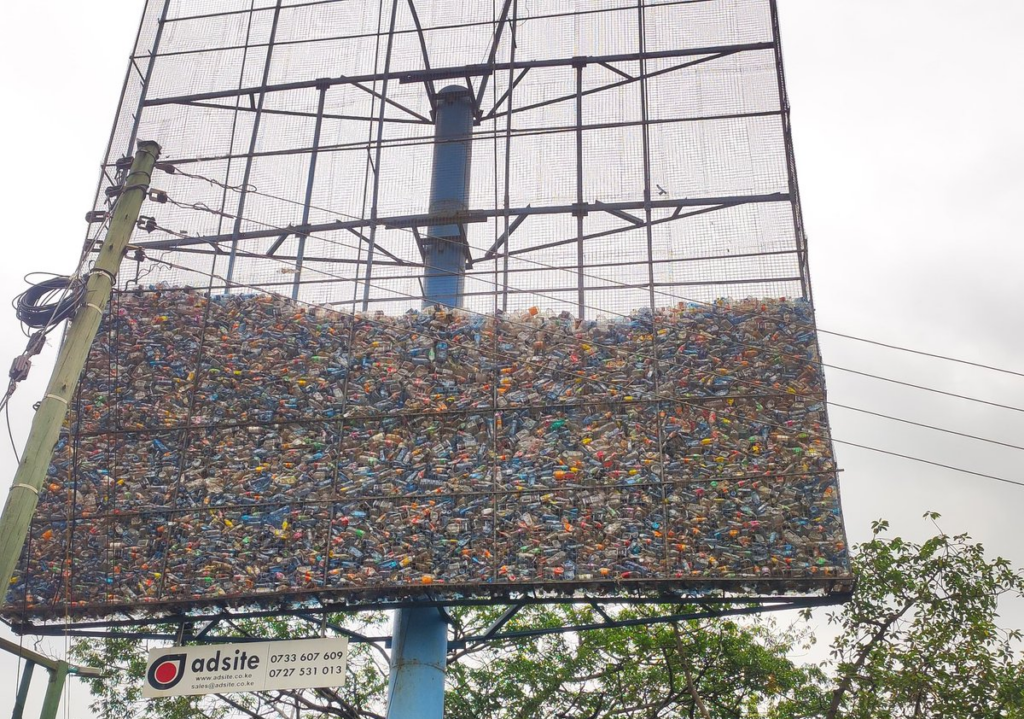
A recent high-profile billboard campaign in Nairobi, featuring the provocative slogan “TUNA TAKA TAKA,” has sparked widespread public debate about the necessity of individual and corporate accountability in waste management.
This shift in narrative coincides with the implementation of Kenya’s Sustainable Waste Management Act, which mandates Extended Producer Responsibility (EPR) for all producers and importers.
Under the EPR framework, companies are now legally responsible for the entire lifecycle of their products, ensuring that packaging and materials do not end up in landfills or polluting waterways.

The “Tunataka Taka” movement aligns perfectly with these legislative goals by promoting the systematic collection, sorting, and high-value recycling of plastic, paper, and glass.
TakaTaka Solutions currently manages a massive waste value chain, sorting and processing household and industrial waste with a remarkable recovery rate of up to 95 percent.
Their operations demonstrate that a zero-waste future is achievable in Africa through vertical integration, where waste is collected, washed, and processed into high-quality pellets for manufacturing.
This industrial-scale recycling not only mitigates the environmental risks of plastic pollution but also creates thousands of green jobs for waste pickers and plant operators.
Nairobi alone generates approximately 4,000 tons of waste daily, presenting a significant opportunity for economic growth if managed through structured circular systems.
The movement is further bolstered by strategic international partnerships, such as the collaboration between the Kenya Red Cross and the University of Texas at Austin.
These initiatives focus on improving sanitation and resource efficiency in challenging environments, including refugee camps like Kakuma, where waste management is a critical humanitarian issue.
While these partnerships operate across different sectors, they share the common goal of building climate resilience through improved resource management and community-led conservation.
The success of these campaigns suggests that Kenya is moving toward a future where the polluter-pays principle is not just a legal requirement but a social norm.
By challenging the traditional “take-make-dispose” model, Kenya is setting a benchmark for other African nations in the transition toward a sustainable and resource-efficient economy.