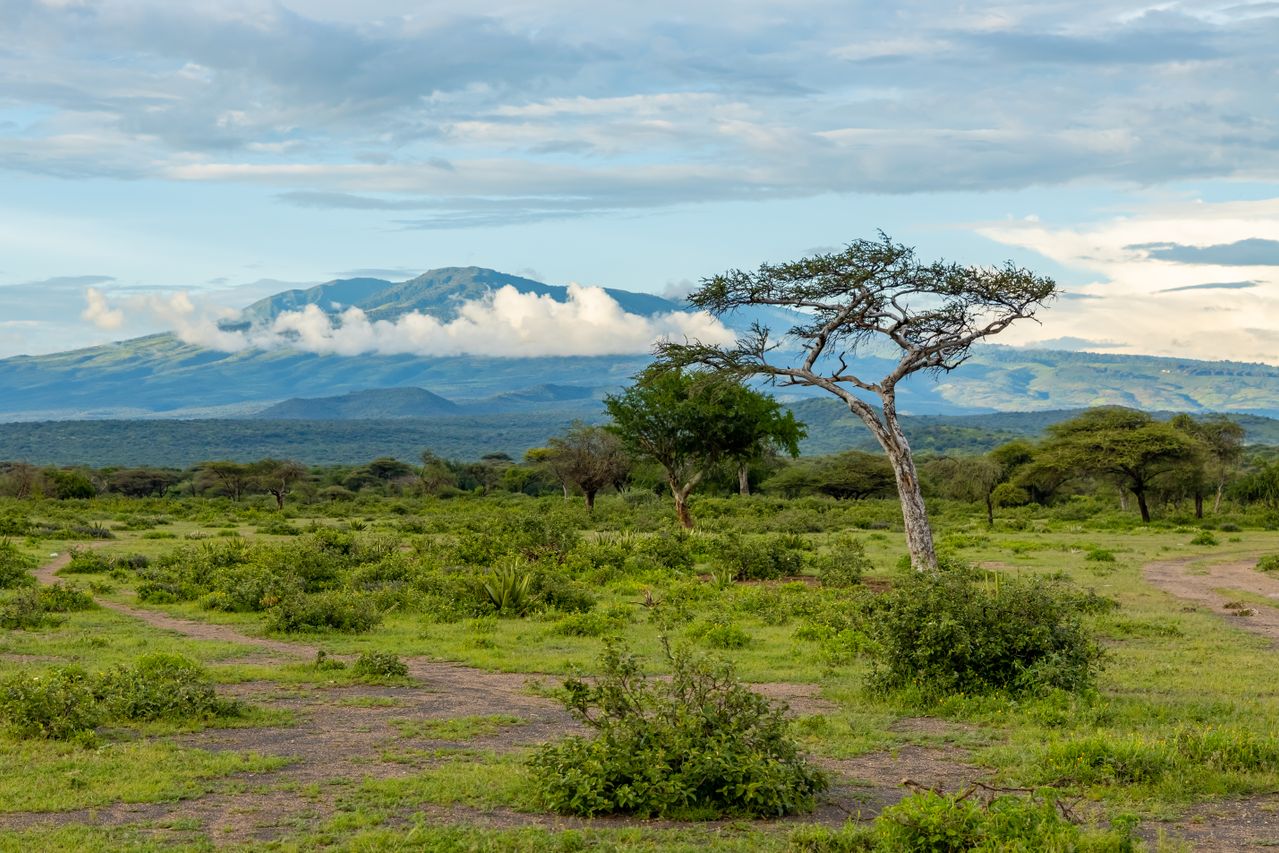


East African governments should use the current El Niño threat to build permanent defences against extreme weather rather than rely on short-term emergency measures.
According to a conservation organization, VI Agroforestry, greater investment in early-warning systems, resilient infrastructure, sustainable farming, watershed restoration and locally led adaptation are needed as the region prepares for possible floods, landslides, crop losses and displacement.
The World Meteorological Organization has forecasted that a strong El Niño its developing and is expected to intensify during the August–October short rain period in East Africa. A possible positive Indian Ocean Dipole could further influence temperatures and rainfall across East Africa.
According to IGAD Climate Prediction and Applications Centre (CPAC), Kenya, Uganda, Tanzania, Rwanda, Burundi, Somalia and parts of Ethiopia could receive enhanced rainfall. The rains may improve water supplies, pasture and agricultural production but also increase the risk of flash floods, river flooding and landslides
Vi Agroforestry said in a statement that while governments should immediately clear drainage channels, strengthen warnings, support farmers, protect vulnerable communities and prepare emergency services, that seasonal action would not address the underlying conditions that repeatedly turn severe weather into humanitarian emergencies.
“The real danger is not El Niño alone,” the organisation said. “It is extreme weather striking degraded landscapes, exhausted soils and communities whose livelihoods have little protection against climate shocks.”
East Africa has experienced repeated movement between drought and destructive rainfall. The 2020–2023 drought caused widespread livestock and crop losses in Ethiopia, Kenya and Somalia. Heavy rains and flooding then affected communities that had not fully recovered.
In 2024, floods damaged homes, roads and farmland and displaced hundreds of thousands of people across Burundi, Ethiopia, Kenya, Rwanda, Somalia and Tanzania.
Vi Agroforestry said the region should stop treating each flood or drought as an isolated event. “Governments should instead invest continuously in the institutions, infrastructure, livelihoods and land-use systems needed to reduce risks before extreme weather occurs,” the statement said.
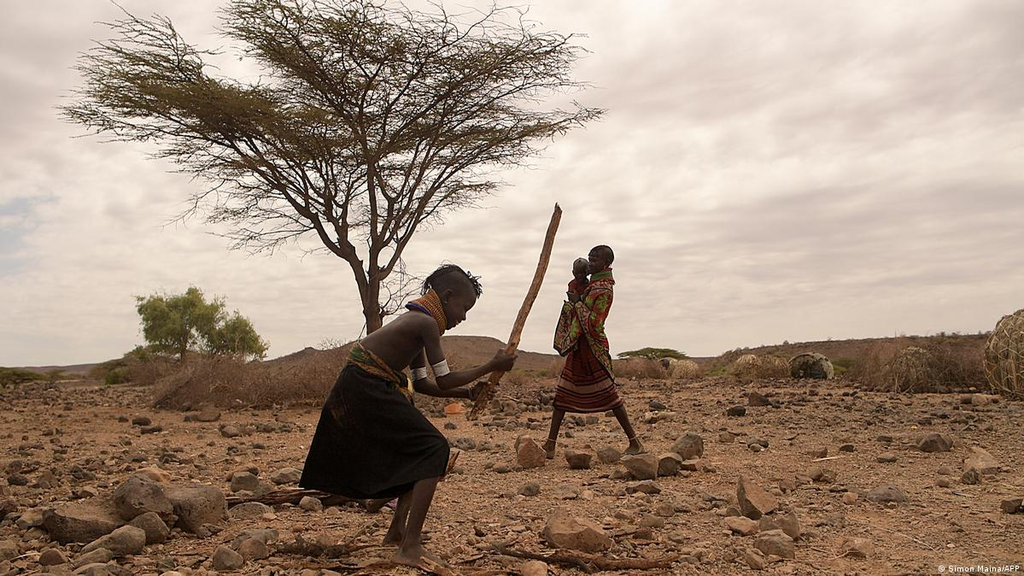
The organisation identified agroforestry and Sustainable Agricultural Land Management (SALM), as important parts of that strategy. “Agroforestry combines trees with crops or livestock, while SALM includes practices such as terracing, mulching, erosion control, water harvesting, controlled grazing and restoration of degraded land,” it said.
“Trees, vegetation and healthy soils can slow surface runoff, reduce erosion and help water enter the ground. Better soil structure can retain moisture during dry periods while reducing the speed at which water moves across farmland during heavy rain.
“Trees may also provide fruit, animal feed, fuel, timber and income when conventional crops fail, giving farming households additional protection from climate shocks,” said the organization.
A 2025 policy brief covering drylands in Kenya, Uganda and Tanzania found that agroforestry could improve soil fertility and water retention while supporting land restoration and more diverse livelihoods. The report also identified governance weaknesses, land degradation and inadequate technical support as barriers to wider adoption.
Vi Agroforestry called on governments to integrate agroforestry and sustainable land management into national climate commitments, adaptation plans, food-system strategies and disaster-risk-reduction frameworks.
It also proposes greater investment in community-led landscape restoration, watershed protection, riverbank rehabilitation, tree nurseries and farmer-managed natural regeneration.
The organisation has also called for more financing for locally led adaptation and biodiversity conservation, adding that women, young people, pastoralists and smallholders should participate as decision-makers and leaders in resilience programmes.
It said that regional cooperation will be required because climate hazards and major river basins cross national borders, emphasizing that governments, climate centres, researchers, financial institutions and private businesses should coordinate preparedness and share information.
It said nature-based measures would not replace drainage systems, flood-control infrastructure, early warnings or emergency response. Instead, restored landscapes and resilient farms should form another layer of protection alongside conventional infrastructure.
“El Niño will pass, but climate uncertainty will remain,” it said.