
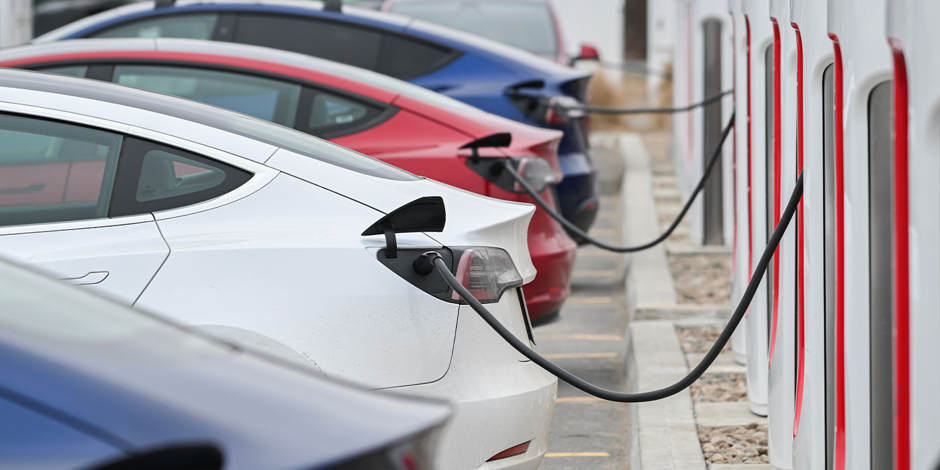

Kenya has signed a memorandum of understanding for a proposed KES 390 billion electric-vehicle manufacturing and green-mobility programme.
The proposal, involving the Government and Endelevu Enterprise Corporation, envisages an integrated electric mobility system that includes an assembly facility with an annual capacity of 50,000 four-wheel vehicles, another facility capable of producing up to 100,000 two-wheelers and light mobility vehicles, 1,000 solar-powered charging hubs and a digital platform designed to support up to 100,000 vehicles.
If implemented at the proposed scale, the programme would seek to move part of Kenya’s transport system from imported vehicles and petroleum products towards locally assembled electric vehicles powered increasingly by domestic electricity.
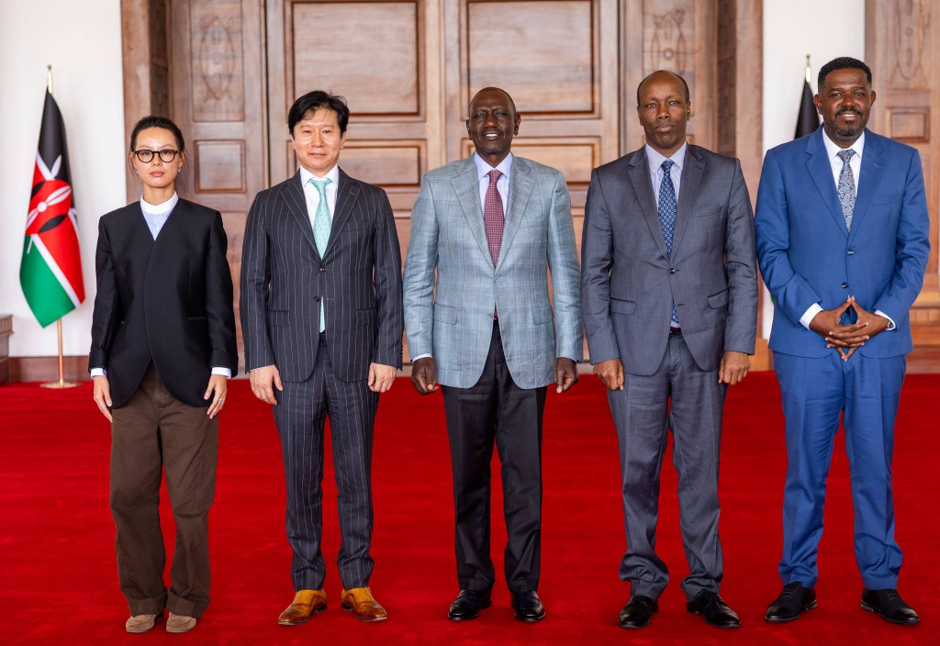
President William Ruto, who witnessed the signing on October 6, framed the proposal around reducing Kenya’s dependence on imported transport fuels and vehicles. The Ministry of Transport estimates that the country spends about KES 650 billion a year on petroleum imports.
Electrification of transport could therefore reduce demand for petrol and diesel and make the transport sector less exposed to international oil prices. The extent of those benefits, however, depends on how quickly electric vehicles are adopted, the cost of vehicles, the availability of charging infrastructure, reliability and affordability of electricity.

The proposed manufacturing component also gives the MoU an industrial-policy dimension, as local assembly could create demand for manufacturing, engineering, maintenance, software and other services around electric mobility.
The MOU comes only days after President Ruto and Dangote Group founder Aliko Dangote broke ground on a proposed KES 2 trillion refinery in Lamu, designed to process up to 700,000 barrels of crude oil a day.
The two projects present different environmental challenges: a large refinery requires stringent controls on emissions, waste, water, and marine impacts, while electric vehicle manufacturing and battery supply chains would create their own environmental requirements, including responsible management of batteries and industrial waste.