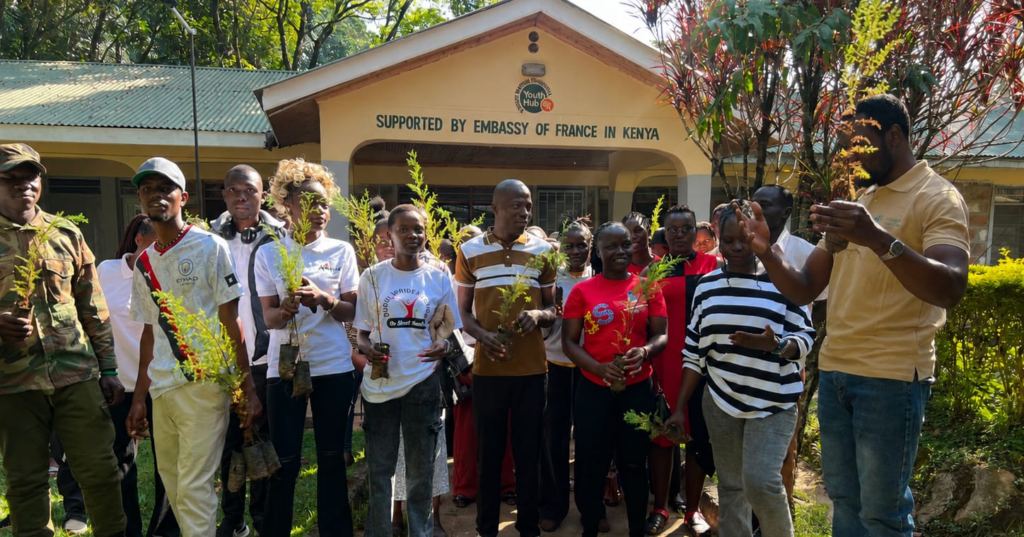

A tree planted today will help restore Kenya’s landscapes only if someone helps it grow. That was the message behind a youth-led tree-planting exercise in Kakamega Town, where members of Our Pride Youth Association (OPYA) planted grafted fruit trees at a school on August 6.
Led by Organising Secretary Armstrong Ayanga, the group joined other youth organisations for an activity held ahead of International Youth Day on August 12. For OPYA Chairperson Dan Ocholi, planting trees is one way for young people to take part in shaping that future.
“Our goal is to ensure young people are not only part of conversations about the environment, but are leading practical solutions. By planting and caring for fruit trees, we can strengthen our communities while creating opportunities for the future,” he said.
The association works on employment, economic empowerment, green businesses, climate action, digital skills and community development. Fruit trees can connect several of those goals: once mature, they may provide food, shade and a source of income for schools or households.
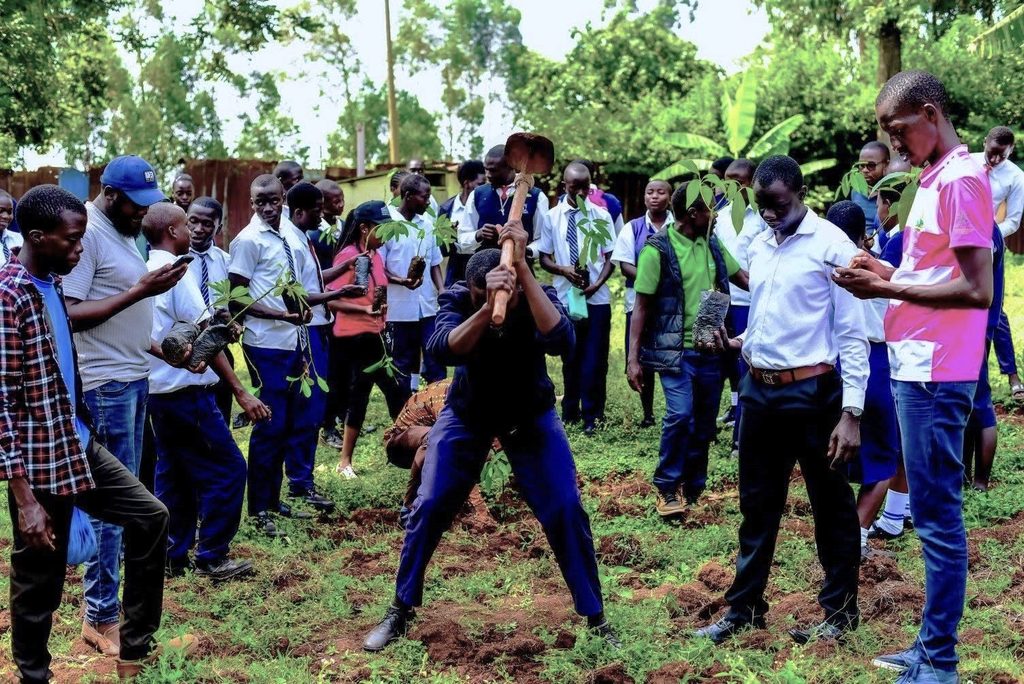
The trees planted in Kakamega were grafted to help produce fruit with preferred qualities. Grafted trees can also bear fruit sooner than trees grown from seed, though success depends on the variety, planting site and care.
Fruit trees can bring food and income, while trees planted among crops can also help protect soil and support wildlife.
After planting, the everyday work begins: watering young trees, adding mulch to help the soil hold moisture, protecting them from grazing animals and replacing those that fail.
The Kakamega effort is part of a much larger national goal. Kenya’s 15 Billion Tree Growing Campaign aims to restore 10.6 million hectares of degraded land and raise tree cover to 30 per cent by 2032. The work spans forests, farms, rangelands, wetlands and towns, so schools and community groups have a role alongside government.
On October 5, the Kenya Forest Service reported that 2.2 billion trees had been planted toward the national target. Counting trees shows the scale of the effort, while tracking whether they survive shows what is taking root. This year’s Mazingira Day preparations include plans to track trees after planting, alongside watering, protection and other care.
Mazingira Day will be marked on October 10 under the theme “Our Environment, Our Responsibility: Collective Action for Tree Growing and Environmental Stewardship.” The government says 5.3 million fruit-tree seedlings will be flagged off as part of the week’s activities.
For the young people in Kakamega, the lasting result of their planting day will be measured over time in trees that survive, bear fruit and benefit the community.