
Recently in Nairobi’s Kahawa West Estate, Mama Elvis became concerned when she discovered rashes on the back of her three-year-old son, Elvis. Unsure what was causing the skin irritation, she took him to a nearby dispensary, where a clinical officer told her the condition was heat-related and advised her to dress the child in light clothing.
For Mama Elvis, the visit offered a possible explanation for a problem she had not anticipated. But her experience also reflects a wider public health concern as unusually hot days and warm nights affect parts of Kenya, raising questions about how well families and health facilities are prepared to protect young children from rising temperatures.
As many parts of the country wait for the October–December short rains, the heat has brought renewed attention to the health risks facing children, newborns and pregnant women, some of the groups least able to protect themselves from extreme temperatures.
The concern is gaining international attention with the The World Health Organization (WHO), World Meteorological Organization (WMO), United Nations Children’s Fund (UNICEF) and United Nations Population Fund (UNFPA) launching a new framework to help countries monitor the health effects of extreme heat on pregnant women, newborns and children.
The initiative introduces a set of priority indicators that health authorities can use to identify potential heat-related health problems, strengthen preparedness and improve responses as temperatures rise.
For families such as Mama Elvis’s, the challenge is recognising when heat may be affecting a child’s health and knowing how to respond. For governments, the challenge is broader, ensuring that health systems can detect emerging risks and protect vulnerable populations before preventable harm occurs.
Kenya’s recent hot conditions have unfolded as rainfall patterns remain uneven, with some regions experiencing high temperatures while others await more dependable rains. The Kenya Meteorological Service Authority has warned that high temperatures may persist in some parts of the country even as the short-rains season progresses.
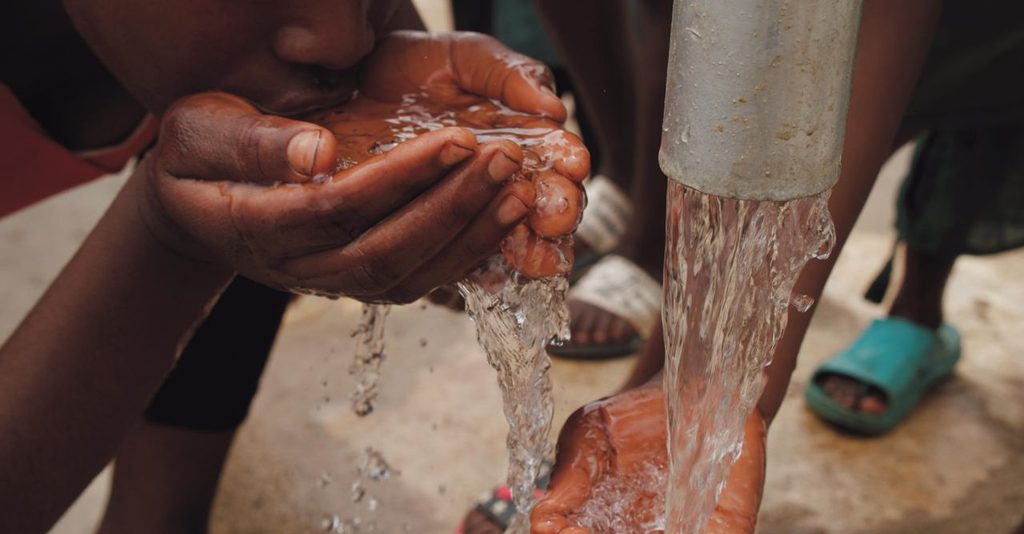
The combination of heat, limited rainfall and pressure on water supplies can make daily life more difficult, particularly for households with young children.
The wider concern extends beyond temporary discomfort. According to studies cited by WHO, exposure to extreme heat is associated with a 26 per cent increase in the odds of preterm birth.
Newborns are also experiencing greater exposure to heatwaves with babies under one year of age globally experiencing 389 per cent more heatwave days in 2024 than during the 1986–2005 baseline period. Worldwide, an estimated 1.5 billion children are exposed to heatwaves that are becoming more frequent, longer or more severe.
“As our world continues to heat up, it creates new risks for health, and older people, pregnant women, newborns and children are among those least able to escape them,” said Bruce Gordon, acting director of WHO’s Department of Environment, Climate Change, One Health and Migration.
“Our health systems need the data to recognize this reality and take action, from protecting people during heatwaves to embedding climate risk consideration into everyday health services,” he said.
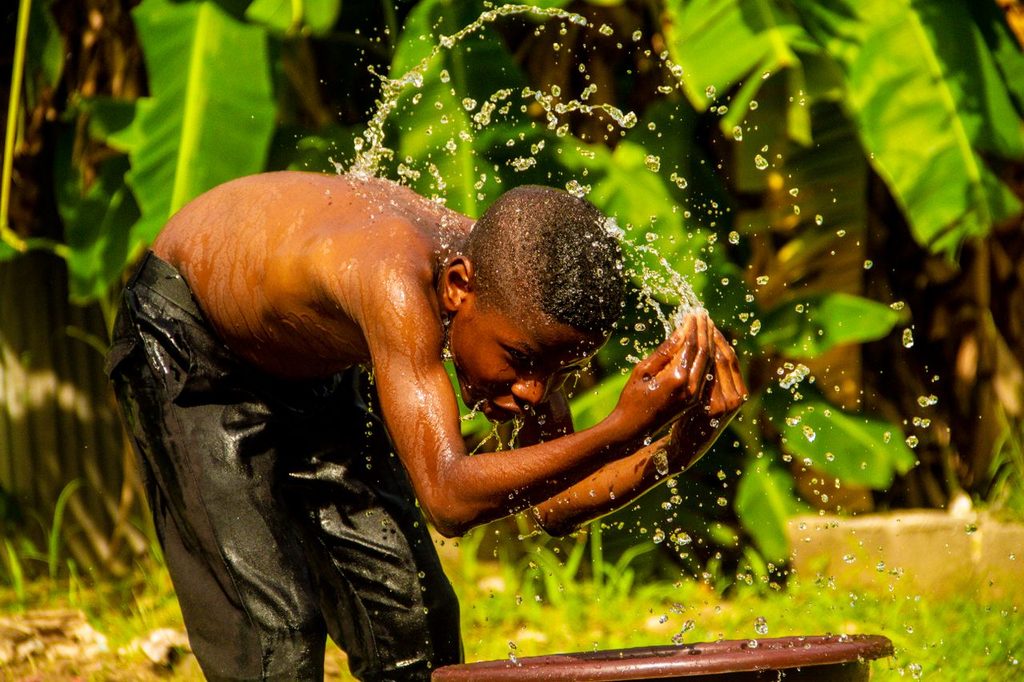
Young children depend on adults to recognise signs of illness, keep them hydrated and provide a safe environment during hot weather. Pregnant women may also face additional health risks when exposed to extreme heat, making access to timely health advice and care important.
The new UN agencies’ framework seeks to address a gap in public health monitoring as countries need to understand not only how high temperatures rise, but also what happens to people’s health during periods of extreme heat.
It recommends monitoring indicators including preterm births, stillbirths, low birthweight, hypertension during pregnancy, child deaths and visits to health facilities during extreme heat. School attendance is also identified as a way to assess how heat disrupts children’s lives.
By comparing routine health records with temperature and other heat-exposure data, authorities can look for unusual changes during hot periods and investigate whether they may be linked to heat.
Dr Pascale Allotey, director of WHO’s Department of Sexual, Reproductive, Maternal, Child and Adolescent Health and Ageing, said tracking health outcomes alongside heat exposure would help countries identify potential impacts and respond.
For Kenya, the approach could help national and county health authorities assess whether periods of extreme heat coincide with increases in particular illnesses, pregnancy complications or hospital visits. Such information could also help identify communities that need targeted warnings, improved access to health services or additional protection.
WHO is urging governments to develop heat-health action plans suited to local conditions, strengthen early-warning systems and include the needs of pregnant women, newborns and children in preparedness measures.
At community level, practical measures such as following official weather and health advice, providing children with drinking water, dressing them in light clothing and limiting strenuous outdoor activities during the hottest periods can help reduce exposure. Caregivers should seek medical advice when a child develops concerning symptoms rather than assume that heat is the cause.
Schools and childcare facilities also have a role to play by reviewing access to drinking water, shade, ventilation and the timing of outdoor activities during particularly hot conditions.
The new initiative gives fresh relevance to UNICEF’s Children’s Climate Risk Report 2026, published in June, which warned that children face multiple and overlapping climate threats.
The report estimated that 1.1 billion children worldwide are exposed to at least three major climate hazards. About 1.8 billion children face drought, while 1.5 billion are exposed to heatwaves that are becoming more frequent, longer or more severe.
UNICEF estimated that 634 million children lacked safely managed drinking water, one billion lacked safely managed sanitation and 489 million lacked basic hygiene services, while 242 million students in 85 countries and territories experienced climate-related school disruptions in 2024.
UNICEF’s report calls for greater investment in climate-resilient health facilities, safer schools, food and nutrition security, water and sanitation services, as well as measures to reduce greenhouse gas emissions and strengthen adaptation.
In Kahawa West, Mama Elvis sought help when she noticed something wrong with her son. Her experience offers a reminder that the effects of hot weather are not only reflected in temperature readings or climate reports; they can also surface as concerns that send parents looking for answers.