
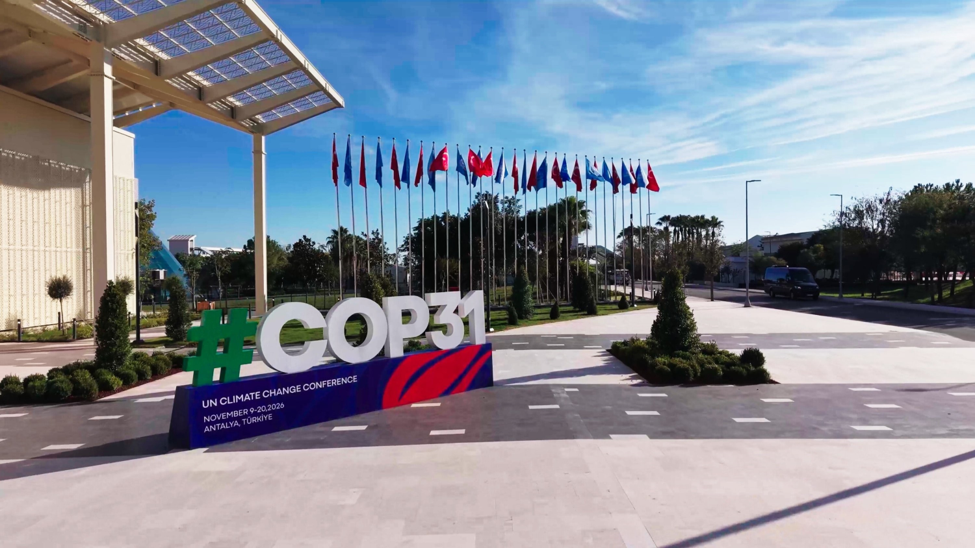

UN climate chief Simon Stiell and COP31 leaders have called for faster delivery of climate commitments, with climate finance, electrification, resilience and methane reductions expected to dominate negotiations in Antalya, Türkiye.
With global temperatures on course to exceed the 1.5°C threshold, the officials say the conference must move beyond new pledges and focus on implementing existing agreements, particularly those aimed at protecting vulnerable communities and strengthening energy security.
Stiell, Executive Secretary of the UN Framework Convention on Climate Change (UNFCCC), said COP31 would test whether countries could sustain international cooperation and translate climate commitments into practical results despite growing geopolitical tensions.
“No single COP is a silver bullet that can stop climate change overnight. But every recent COP has made essential progress. COP31 in Antalya will, too,” he said.
Stiell said worsening climate disasters were already damaging economies, disrupting food supplies, increasing hunger and threatening human health, while rising energy and transport costs were adding to pressure on households.
He argued that climate action could also address the cost-of-living crisis by reducing dependence on imported fossil fuels and expanding access to cheaper, cleaner energy. “Electrification and clean energy can cut household bills and lock in energy security,” he said.
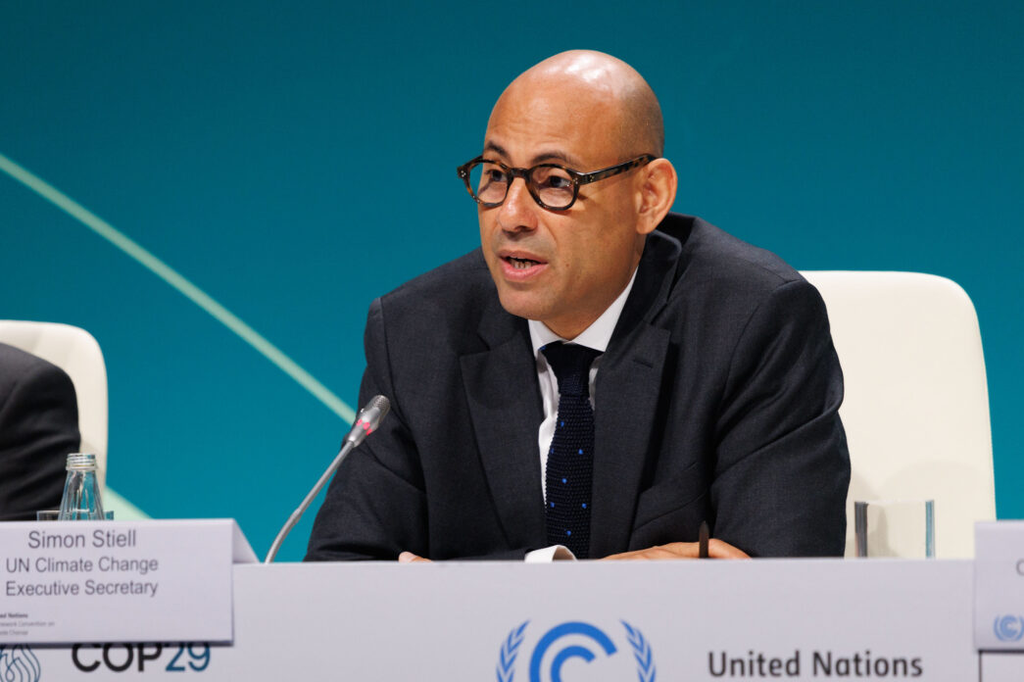
He called for climate finance to reach vulnerable countries and communities faster, with fewer administrative barriers, while urging governments to accelerate cuts in methane and other short-lived climate pollutants.
Methane, he said, was driving global heating at up to 80 times the rate of carbon dioxide, making reductions an important part of efforts to slow warming in the near term.
COP31 President-Designate Murat Kurum said the conference would focus on implementing commitments made at previous climate summits, rather than negotiating additional targets.
He acknowledged that the world was on course to overshoot the 1.5°C warming limit but insisted that the threshold should remain the benchmark for international climate action.
“This is the first COP where it is clear beyond reasonable doubt that the world will overshoot the 1.5-degree target. We will not look away, and we will not lower our ambition,” said Kurum, who is Türkiye’s Minister of Environment, Urbanisation and Climate Change.
“Our duty is to do everything in our power to return to it. In Antalya, we must start to respond to the new realities of overshoot.”
Finance will be central to that effort, particularly the commitment made at COP29 in Baku to mobilise at least US$300 billion annually by 2035 for developing countries.
Kurum said governments should concentrate on delivering the agreed target, with developed countries taking the lead in providing the funding.
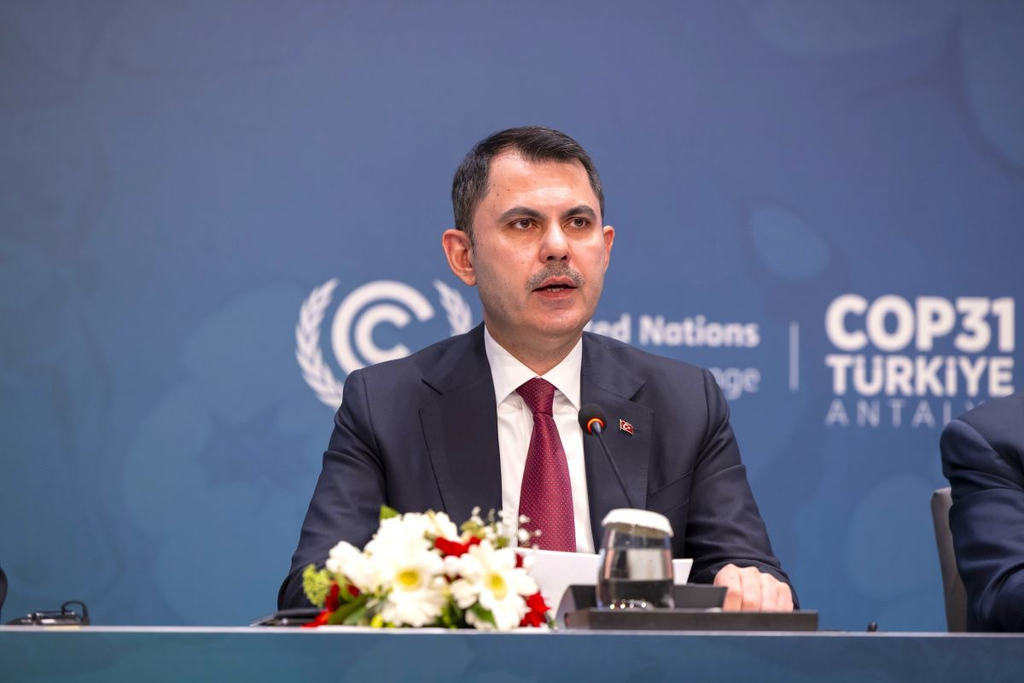
He also positioned electrification as a central theme of COP31, arguing that dependence on imported energy leaves countries vulnerable to international market disruptions and price volatility.
The conference will promote wider adoption of electricity across economic sectors, supported by cleaner energy sources, as a way of strengthening energy security while reducing emissions.
Kurum said the Action Agenda would also address waste and methane emissions, with a focus on reducing the amount of organic waste sent to landfills.
He described waste prevention as an immediate climate intervention, arguing that reducing waste could cut emissions while limiting pressure on natural resources.
Resilience will also feature prominently, particularly measures to protect cities and coastal communities from rising temperatures and sea levels.
Chris Bowen, Australia’s Minister for Climate Change and Energy and President of Negotiations for COP31, said the conference offered an opportunity to demonstrate the economic benefits of international climate cooperation.
He identified climate finance and investment, affordable household energy, electrification and protection of ocean ecosystems as priorities for the negotiations.
Bowen said the ocean’s role in regulating the climate made its protection an important part of the wider climate agenda.
He acknowledged that reaching agreement among nearly 200 countries would be difficult amid geopolitical divisions but argued that international cooperation remained essential.
“No country can solve climate change alone and we achieve more when countries work together,” he said.