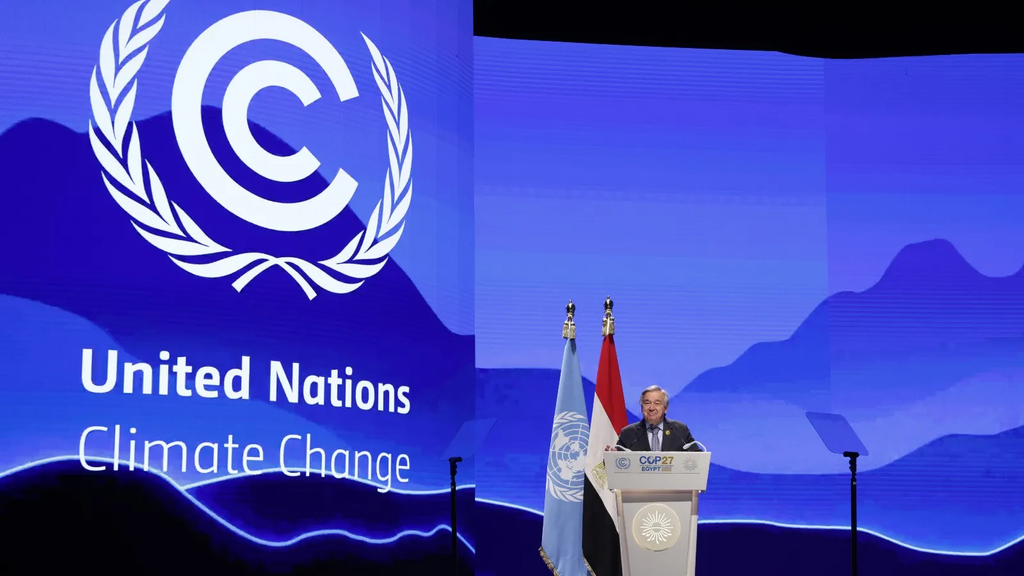

The United Nations has warned that countries are not doing enough to tackle climate change, despite an increase in national climate plans, with promised emissions cuts, adaptation measures and funding still falling short of what is needed.
New UN reports released ahead of COP31 show that while more governments are incorporating climate action into their policies, many are struggling to turn their commitments into practical results, particularly in developing countries that need funding to protect communities from climate impacts.
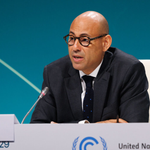
UN Climate Change Executive Secretary Simon Stiell said governments were increasingly recognising that climate action could create jobs, support economic growth and improve access to affordable and reliable energy. However, he warned that current efforts remained inadequate.
Between January 2024 and August 2026, 127 new national climate plans were registered under the Paris Agreement. They include measures to reduce emissions, prepare for climate impacts, mobilise finance and support workers and communities affected by the transition to cleaner energy. B
The plans are expected to reduce global emissions by about six per cent by 2035 compared with 2019 levels, meaning that even if all commitments are fully implemented, the reduction would reach only about nine per cent.
These plans are meant to help countries prepare for rising temperatures, droughts, floods and other climate threats. However, many still lack the money and capacity to turn their plans into projects that protect people and infrastructure.
Climate finance remains another major challenge. A UN report tracking the commitment by developed countries to provide and mobilise US$100 billion annually for developing countries shows that funding increased between 2020 and 2024.
The UN reports also identify difficulties in accessing climate finance, including complicated approval processes and the cost of funding. This makes it harder for countries most exposed to climate change to secure resources for adaptation.
Stiell said COP31 in Türkiye should help countries address these gaps through stronger cooperation and practical action, including expanding electricity access, reducing methane emissions and cutting waste.
The UN will also release its 2026 Global Climate Action Yearbook at the start of COP31. The publication will highlight more than 200 climate actions reported by over 80 initiatives involving organisations and partnerships outside formal government negotiations.
The reports point to a growing gap between countries’ climate promises and what they are delivering on the ground.