
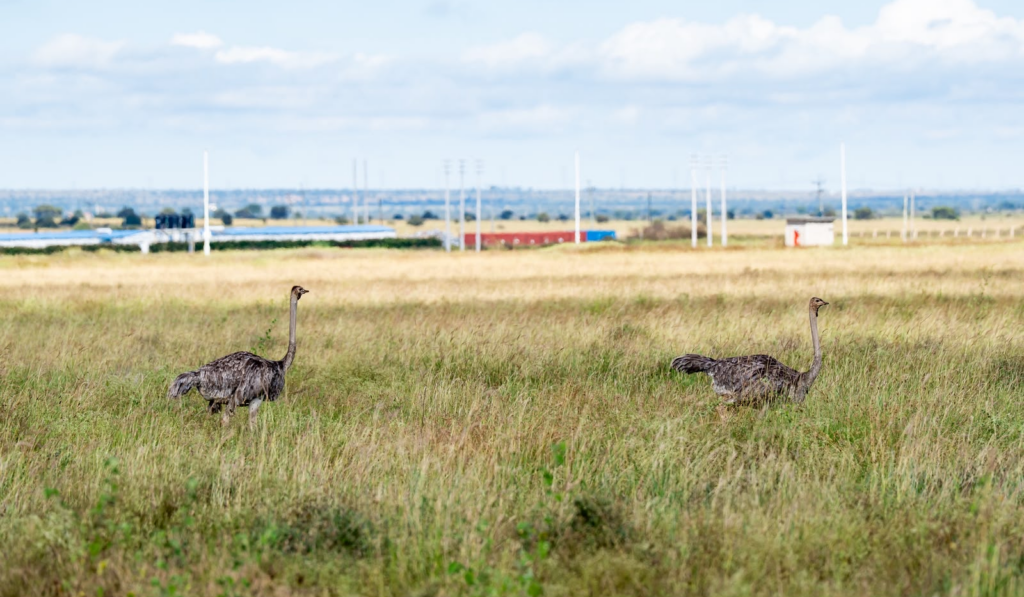

Konza Technopolis, Kenya’s flagship smart city project popularly known as the “Silicon Savannah,” has achieved a major milestone after securing provisional registration as a wildlife conservancy from the Kenya Wildlife Service (KWS).
The registration makes Konza the first purpose-built smart city in Africa to incorporate a formally recognized wildlife conservancy within its urban development framework, setting a new benchmark for sustainable city planning on the continent. The conservancy covers 404.69 hectares (approximately 1,000 acres).
The protected area forms a central pillar of the Technopolis master plan, which has reserved one-fifth of its 5,000-acre development area as a wildlife corridor to safeguard biodiversity amid rapid urban growth.
Provisionally registered for a minimum of 15 years under KWS regulations, the conservancy will operate under a comprehensive management plan designed to protect wildlife habitats while supporting sustainable development.
Technopolis Development Authority Chief Executive Officer John Paul Okwiri described the registration as proof that economic transformation, technological advancement and environmental stewardship can coexist.
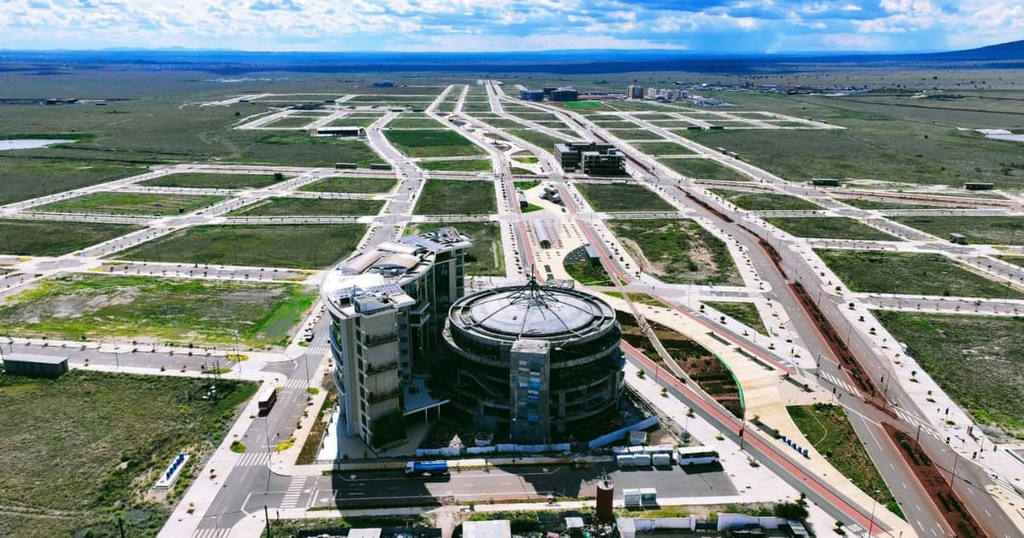
“Konza is demonstrating that conservation and innovation are not competing priorities but complementary elements of a world-class smart city,” he said.
The conservancy lies within the Athi-Kapiti Ecosystem, one of Kenya’s most important wildlife dispersal landscapes outside Nairobi National Park. The ecosystem serves as a critical migratory corridor linking Nairobi National Park to the Amboseli-Kilimanjaro ecosystem and supports a rich diversity of wildlife.
Among the species found within the area are the endangered Grey Crowned Crane, the critically endangered Rüppell’s Griffon and White-backed Vultures, as well as Maasai Giraffes, zebras and gazelles.
Conservationists note that vultures play an especially important ecological role by removing animal carcasses from the environment, helping prevent the spread of disease and maintaining ecosystem health. Protecting habitat within Konza therefore contributes directly to the resilience of the wider Athi-Kapiti landscape.
Beyond conservation, the wildlife conservancy is expected to generate new economic opportunities through eco-tourism, wildlife research, environmental education and climate-finance initiatives. The protected landscape could also support carbon-credit projects and attract environmentally conscious investors seeking sustainable development opportunities.
As part of its long-term vision, Konza plans to establish an 80-acre Luxury Eco-Living Zone featuring eco-lodges and villas integrated into the natural environment, offering residents and visitors a unique blend of modern living and wildlife conservation.