
Climate change is not merely an environmental crisis; it is a profound human crisis, particularly across Africa. The escalating frequency and intensity of extreme weather events are reshaping lives, livelihoods, and the very fabric of communities.
This leaves a trail of mental health challenges that often go unaddressed. For many, the struggle is deeply personal, manifesting as anxiety, depression, and trauma.
This silent epidemic is intricately linked to the continent’s unique vulnerabilities. Traditional ways of life are being upended by a rapidly changing climate.
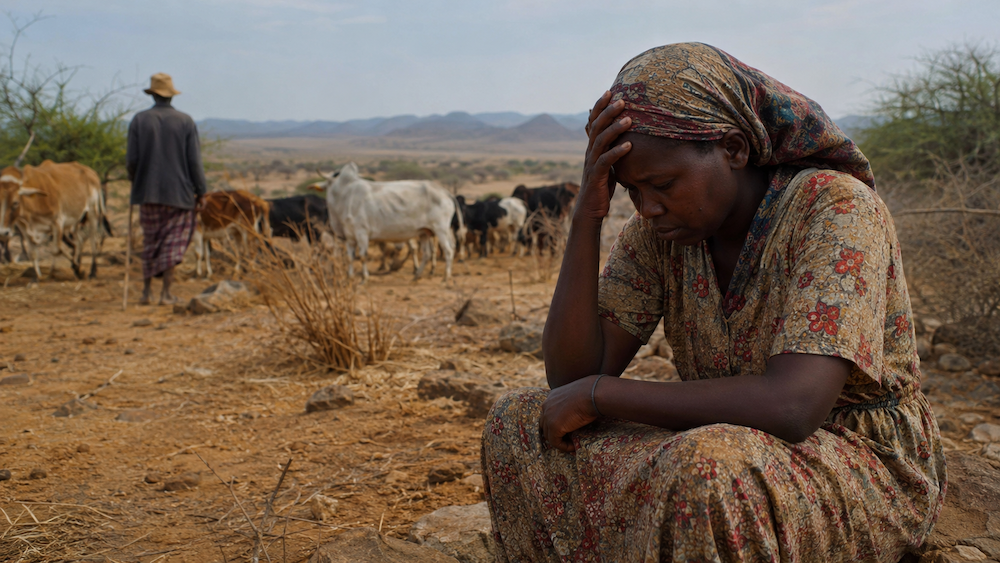
In pastoralist communities, the harsh realities of drought force men to embark on increasingly long journeys in search of pasture. This leaves women behind, often for months, to manage households with dwindling resources and immense uncertainty.
These women, sometimes referred to as “climate widows,” face heightened risks of abuse, discrimination, exploitation, gender-based violence, and trafficking, as highlighted by a PSC Report. They also bear the crushing burden of loneliness and anxiety for their absent loved ones.
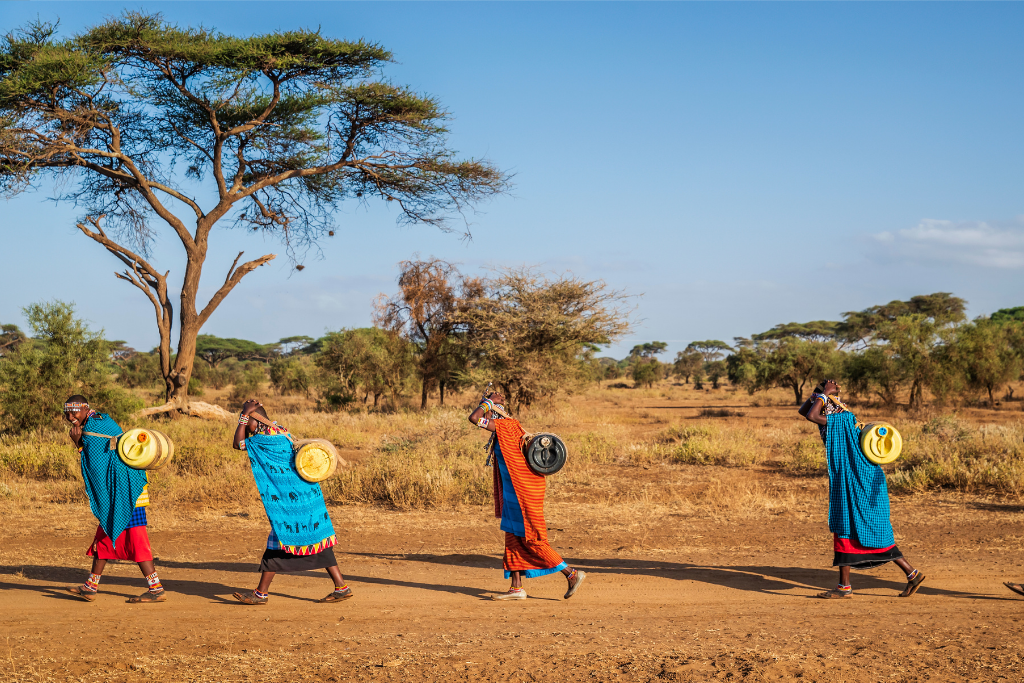
A study in the Harvard International Review further notes that women are 14 times more likely to die in climate disasters, underscoring their extreme vulnerability. The United Nations estimates that a staggering 80% of those displaced by the climate crisis are women, highlighting their disproportionate vulnerability.
The Horn of Africa, a region frequently battered by severe droughts, offers a stark illustration of climate change’s mental health impact. The World Health Organization reports that millions in the greater Horn of Africa are facing acute hunger due to these conditions.
Recent droughts have led to the loss of millions of livestock, the primary source of livelihood for many pastoralist families. This economic devastation translates directly into profound psychological distress.
Food insecurity, a direct consequence of prolonged drought, is strongly correlated with increased rates of depression and anxiety. A World Bank study in Malawi found that household food insecurity significantly increases mental illness, with effects more pronounced during drought shocks.
The inability to provide for one’s family, the constant worry about the next meal, and the erosion of dignity create a pervasive sense of hopelessness. This feeling can linger long after the rains return.
Floods, another increasingly common climate-induced disaster, force thousands to abandon their homes and livelihoods. Displaced communities often find themselves in makeshift shelters, grappling with the trauma of loss and the daunting prospect of starting afresh.
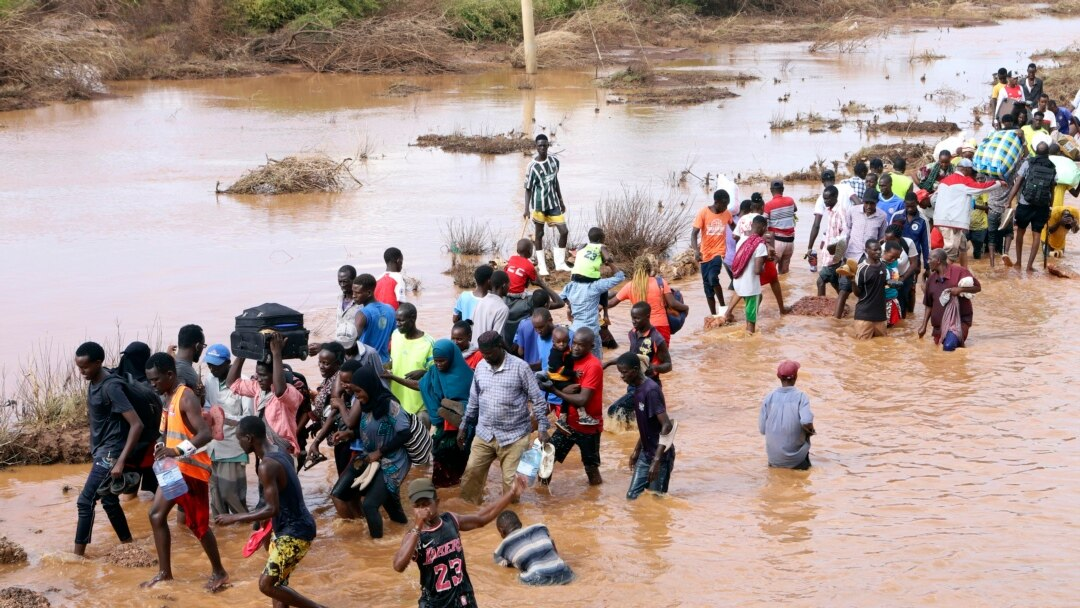
The mental health consequences are severe, with high rates of post-traumatic stress disorder (PTSD) and psychological distress. Research links flood-related infrastructure loss to higher emotional distress and anxiety, and a unique form of grief known as “solastalgia” also emerges.
The loss of ancestral lands, community networks, and familiar surroundings leaves deep emotional scars. These can take years to heal, as many families are relocated to makeshift structures and children are orphaned.
As climate change alters ecosystems, human-wildlife conflict is on the rise. This pushes animals into human settlements in search of scarce resources, leading to crop raiding, livestock depredation, human attacks, and property damage.
This escalating conflict brings with it a hidden cost: the mental health burden on communities living in fear. In areas like Kenya’s Laikipia North, where human-elephant and human-lion conflicts are prevalent, a qualitative case study explored these hidden costs.
Residents experience chronic stress, sleep deprivation, and trauma from attacks or the loss of livestock. The constant vigilance required to protect families and livelihoods takes a significant psychological toll, exacerbating existing vulnerabilities.
The mental health crisis fueled by climate change in Africa demands urgent attention. It necessitates a holistic approach that integrates climate adaptation strategies with robust mental health support systems.
Empowering women, building resilient food systems, and fostering community-led conservation efforts are crucial steps towards mitigating these profound psychological impacts. By acknowledging and addressing the mental health dimensions of climate change, Africa can move towards a future where communities are not only environmentally resilient but also psychologically strong.