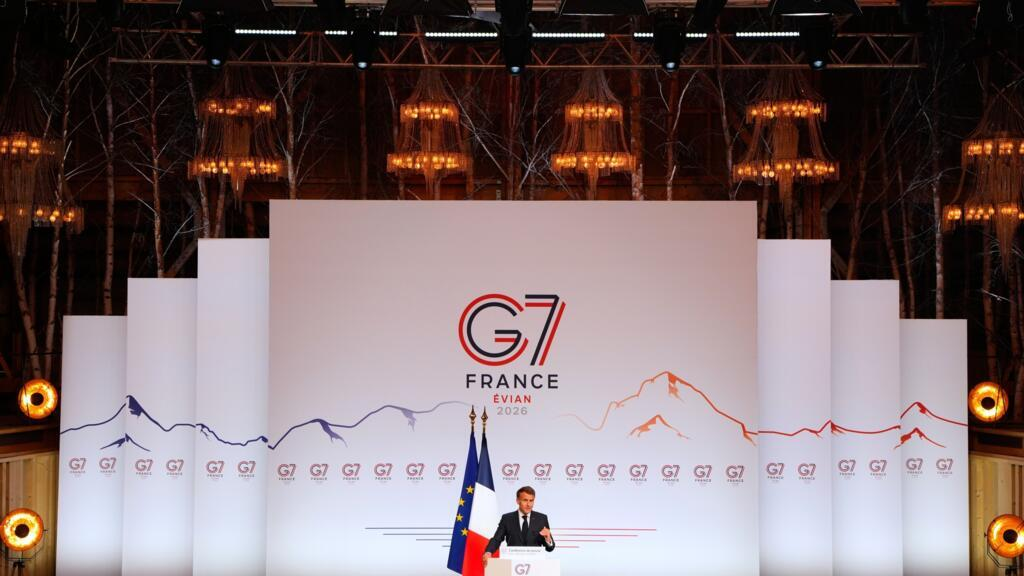

As leaders of the world’s wealthiest democracies gathered in Evian, France, for the 2026 G7 Summit last week, climate change found itself competing for attention with wars, economic uncertainty, and energy security concerns.
The summit unfolded against a backdrop of escalating tensions in the Middle East, growing concerns over global economic stability, and renewed debates about energy supplies.
Discussions on security and geopolitics dominated much of the agenda, pushing climate action further down the list of immediate priorities.
For many developing countries, the shift in focus raises difficult questions about whether the world can afford to delay action on a crisis that is already reshaping lives, economies, and ecosystems.
The irony is hard to ignore. While global leaders debated military tensions and economic shocks in conference halls overlooking Lake Geneva, millions of people across Africa continued to confront the daily realities of climate change.
Climate advocates have warned that the world is entering a critical decade in which delayed action could dramatically increase the costs of adaptation and recovery. Yet the Evian summit reflected an uncomfortable reality of international politics where immediate crises often eclipse long-term threats, no matter how severe they may become.
The challenge facing G7 leaders was how to balance it against an expanding list of urgent geopolitical concerns.
This balancing act was evident throughout the summit. Discussions on the conflict between the United States and Iran, energy market disruptions, global supply chains, and economic resilience received significant attention. Climate change remained on the agenda, but it lacked the political urgency that characterized previous summits where emissions reductions and clean energy transitions dominated headlines.
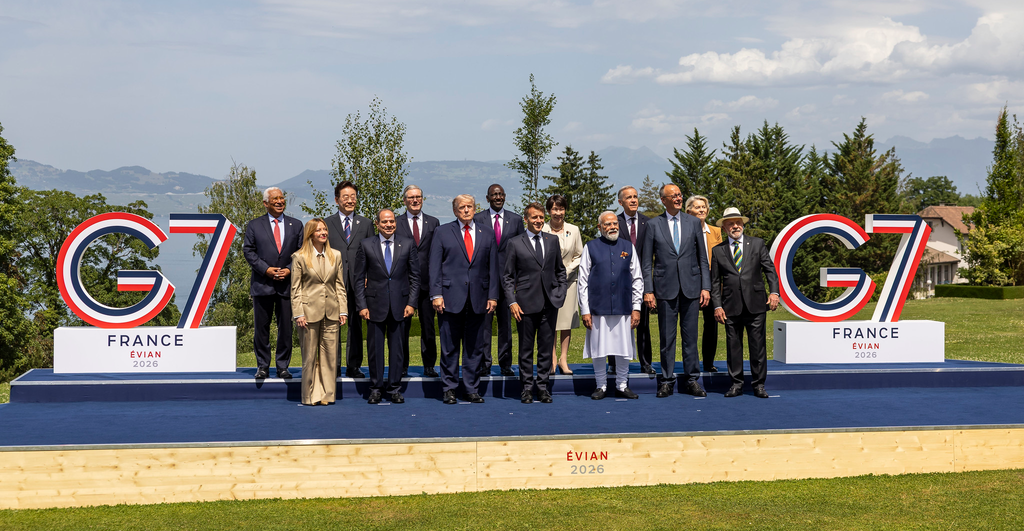
For Kenya, which was invited to participate in the summit, the implications are significant. The country has emerged as one of Africa’s strongest voices on climate diplomacy, championing renewable energy, carbon markets, forest restoration, and climate adaptation initiatives. Yet Kenya is also among the nations bearing the highest costs of a warming planet despite contributing only a tiny fraction of global greenhouse gas emissions.
Recent years have brought severe droughts, destructive floods, and increasingly unpredictable rainfall patterns that have affected agriculture, water resources, infrastructure, and livelihoods. The economic burden of responding to these disasters continues to strain public finances at a time when many African countries are already grappling with mounting debt obligations.
Against this backdrop, one of Kenya’s key interests at the G7 was securing support for reforms in global development finance.
African leaders have repeatedly argued that climate-vulnerable countries require greater access to affordable financing to invest in adaptation, resilient infrastructure, clean energy, and disaster preparedness. While the summit produced discussions around development finance and improving access to capital for emerging economies, climate campaigners cautioned that such commitments risk losing momentum if climate resilience is not treated as a strategic priority.
Analysts note that climate finance has become a question of economic stability, food security, migration, and national security, and environmental policy experts have urged G7 nations to resist a renewed dependence on fossil fuels driven by geopolitical uncertainty and instead accelerate investments in clean energy systems. They argue that strengthening renewable energy deployment, climate-resilient infrastructure, and early warning systems would not only reduce emissions but also improve global stability.
The summit’s final outcomes acknowledged the importance of climate action, but many observers noted that the issue lacked the prominence it once commanded in G7 deliberations. Instead, climate policy was largely framed within broader discussions of economic competitiveness, energy security, and geopolitical resilience.
The 2026 G7 Summit therefore highlighted a growing dilemma facing world leaders on: how to respond to immediate geopolitical crises without losing sight of the slower-moving but potentially more devastating threat posed by climate change.