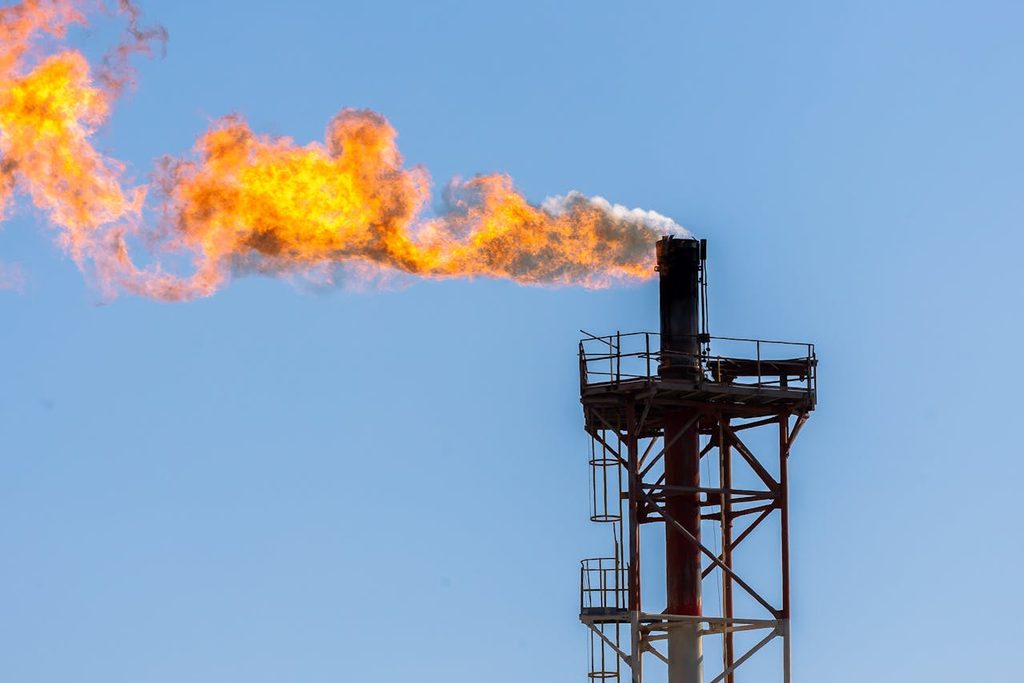
Koko Networks, once a beacon of clean energy in Kenya, has abruptly shut down, leaving 700 jobless and millions without access to clean cooking fuel. This collapse, rooted in a carbon credits dispute with the Kenyan government, sends a stark warning about the stability of climate finance and the future of green initiatives across Africa.
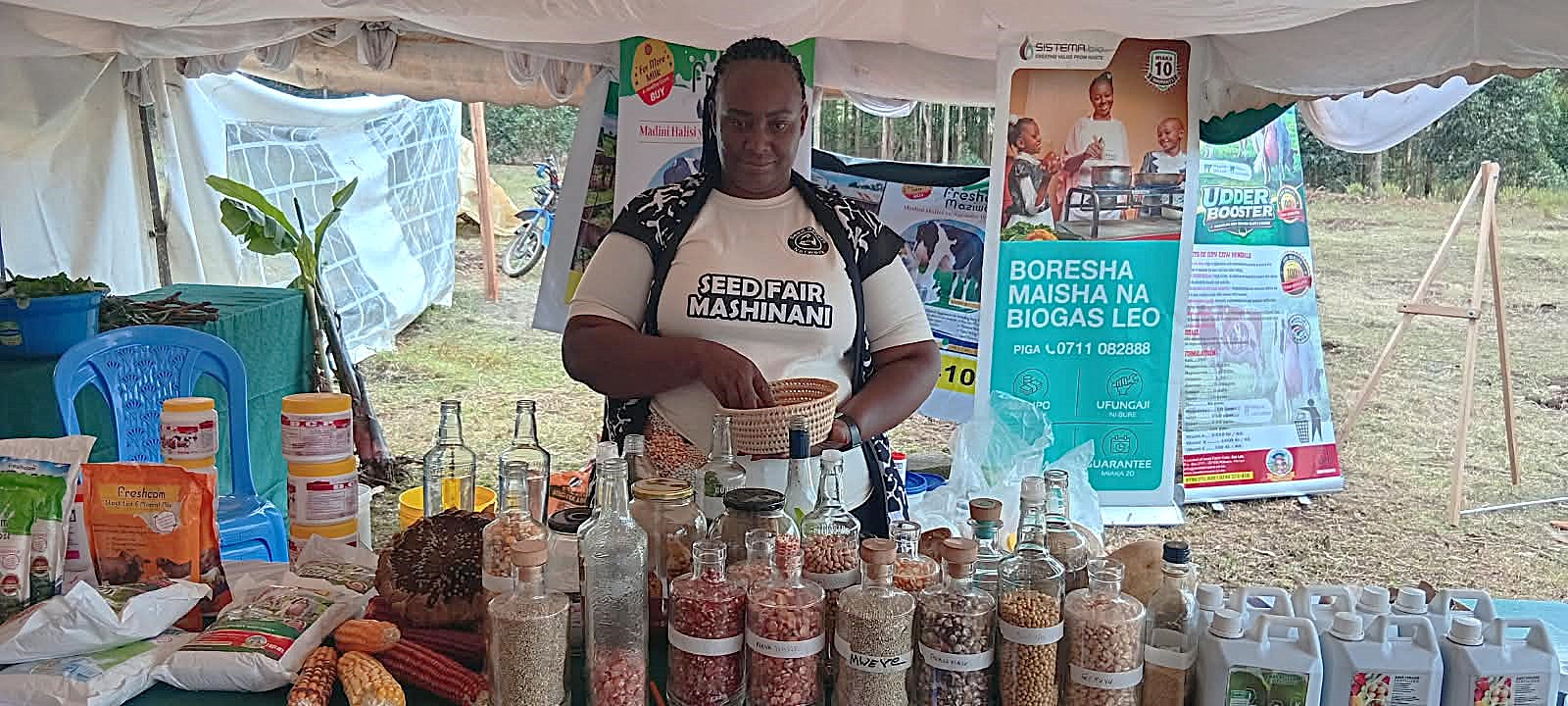
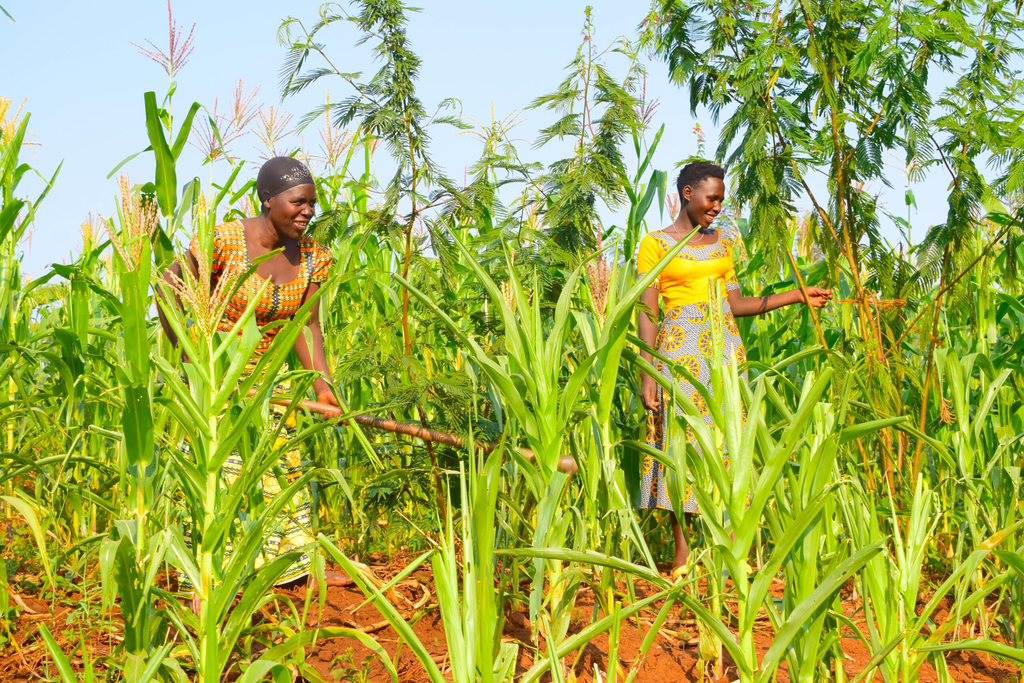
Across Africa, exhausted soils are threatening food security and farmer livelihoods. In Kenya, a quiet solution is emerging through redworm farming, turning organic waste into living, fertile soil. One farmer’s journey shows how restoring soil biology can restore farms and health.
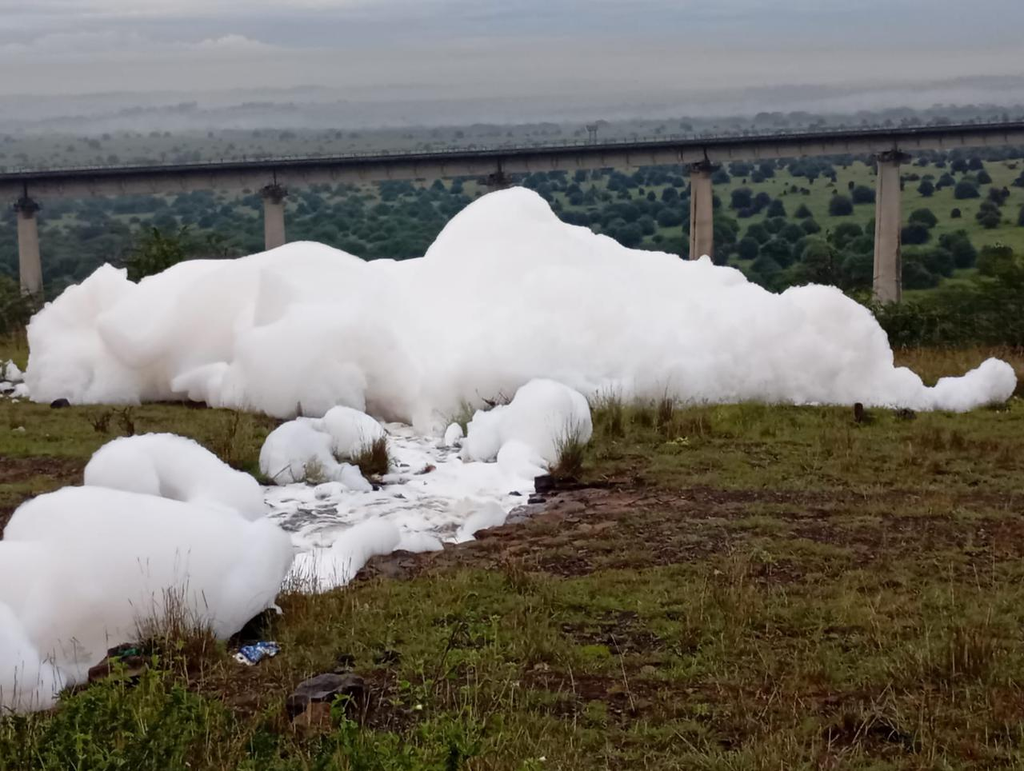
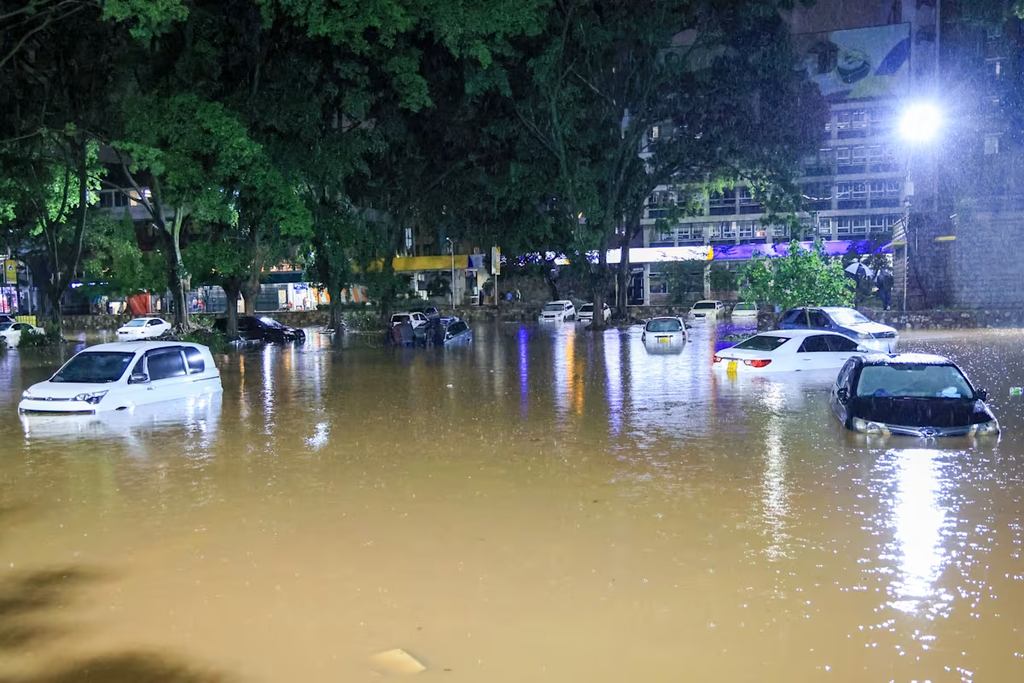
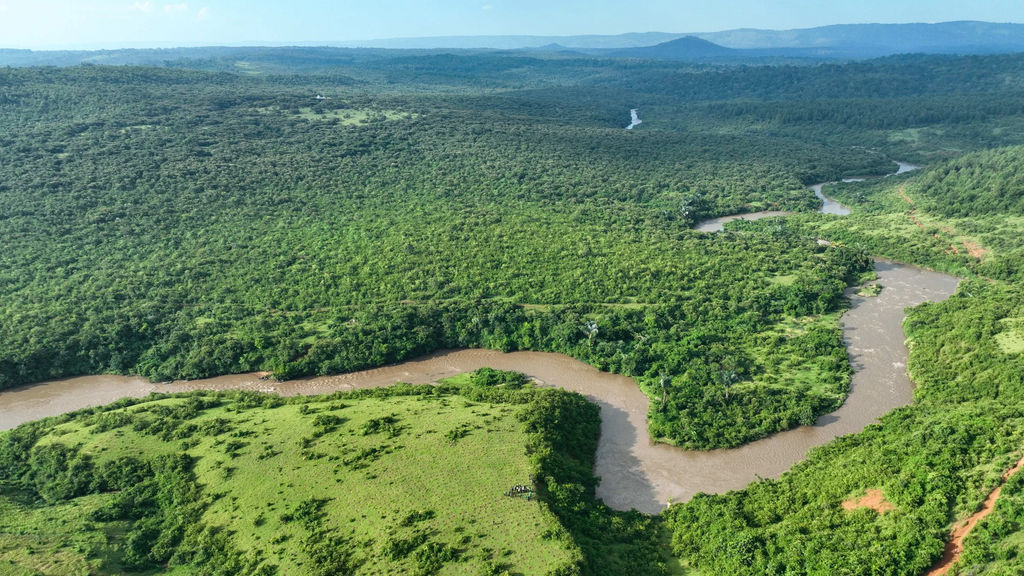
Across Kenya, families are spending hours chasing water as rivers dry, boreholes fail, and costs rise. From Marsabit to Nyeri, daily survival now depends on unreliable water sources. A new UN warning shows Kenya’s struggle is part of a global water bankruptcy.
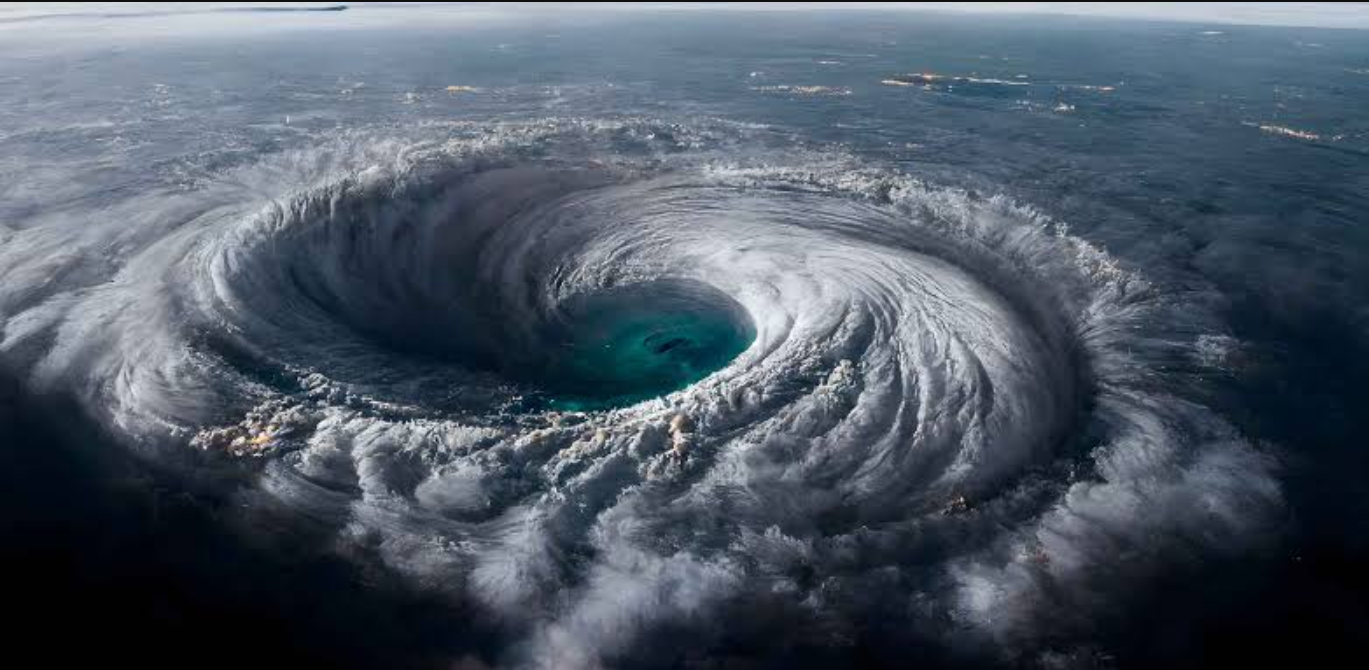
Food insecurity across the Horn of Africa is worsening as climate change intensifies droughts, floods and heat stress. IGAD warns that erratic rainfall and rising temperatures are eroding food production and livelihoods, pushing millions deeper into hunger.
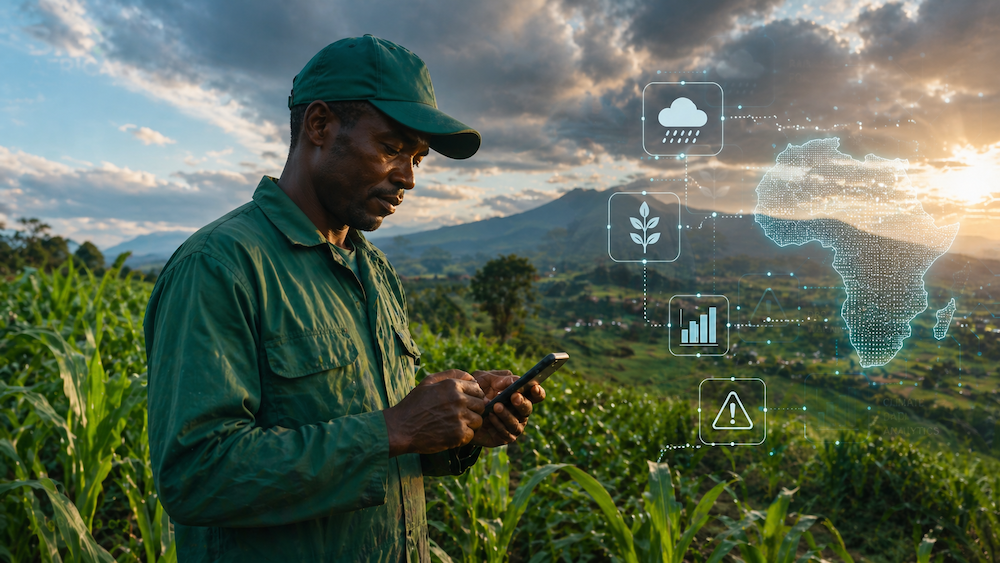
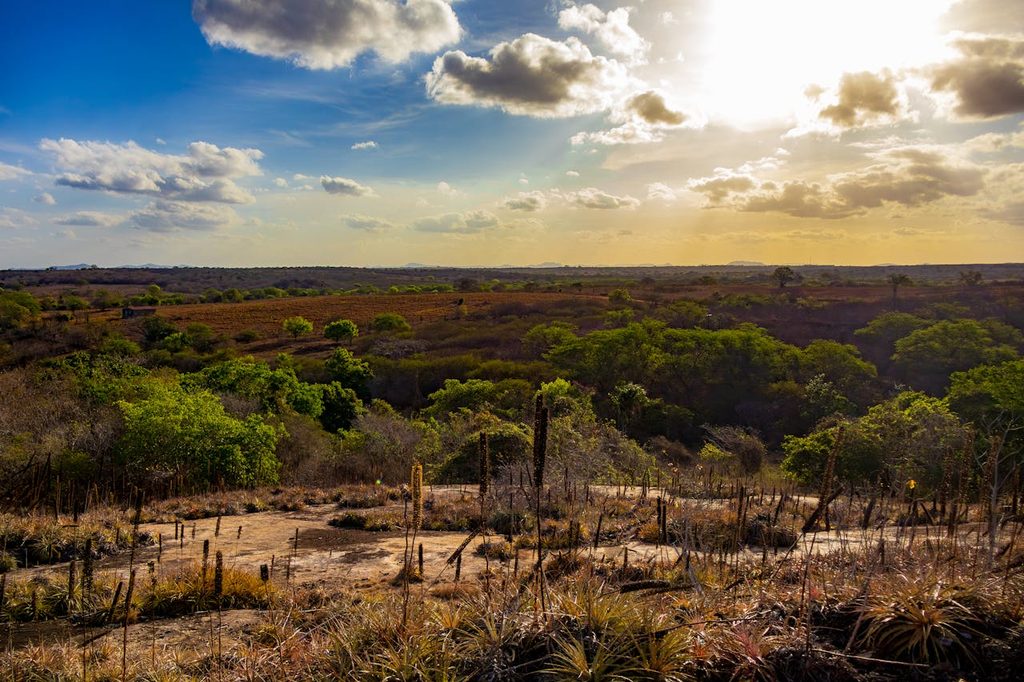
As droughts intensify across Kenya, a local innovator is using solar-powered sensors and AI-driven data to help smallholder farmers make smarter decisions, protect their harvests, and survive a rapidly changing climate.
The African Development Bank has approved a KES 2.1 billion loan to support a new 35MW geothermal power plant at Kenya’s Menengai field, strengthening clean energy generation, cutting emissions, and accelerating the country’s transition to affordable baseload power.
A new study on climate-driven migration in Africa reveals that while environmental shocks like drought increase the likelihood of movement, especially when compounded by conflict, strong adaptive capacity acts as a decisive buffer.