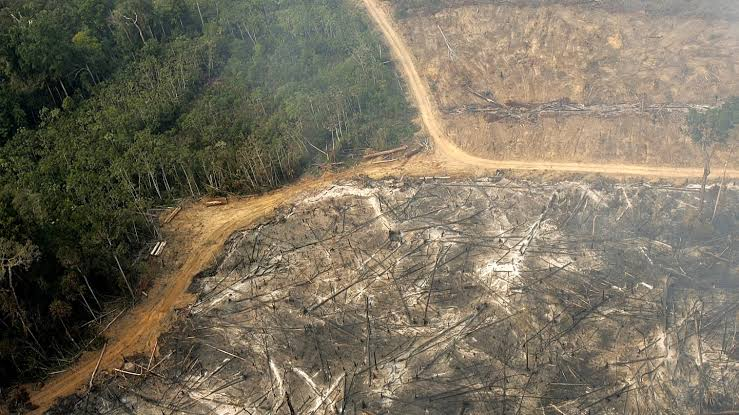
Land degradation is undermining Africa’s food security as soils lose fertility, forests disappear and climate stress intensifies. A new FAO report warns that without urgent land restoration and sustainable farming, smallholder livelihoods and national economies face growing risk.
Nairobi is cementing its role at the heart of Africa’s green transition, combining global environmental diplomacy, major climate finance deals, and community-driven solutions. From landmark UN assemblies to green lending and clean energy leadership, Kenya is shaping a resilient, low-carbon development pathway for the continent.
UNEA-7 concluded in Nairobi with landmark resolutions addressing climate change, biodiversity loss, and pollution, reaffirming Africa’s central role in global environmental leadership. The outcomes set the stage for accelerated implementation of sustainable solutions worldwide.
Truphena Muthoni’s 72-hour tree hug in Nyeri has become a standout symbol of Kenya’s fight for environmental protection and mental-health awareness. What began as a 48-hour challenge in Nairobi grew into a record-breaking act of endurance and a powerful call to protect both nature and personal well-being. Her silent protest captured national attention and inspired a new wave of youth-led climate activism.
Youth, Indigenous peoples, and local communities at ongoing UNEA-7 are demanding real decision-making power in global environmental governance. They argue that slow, top-down systems can no longer address escalating climate impacts especially in Africa and call for inclusive representation.