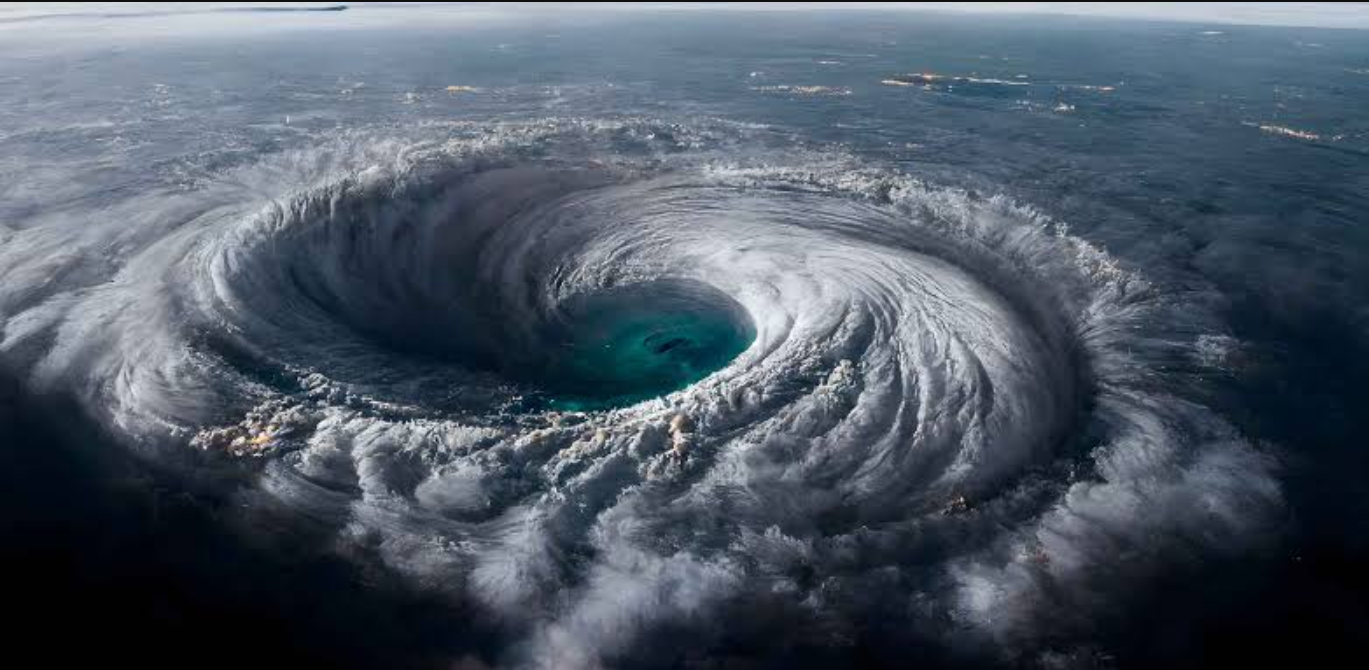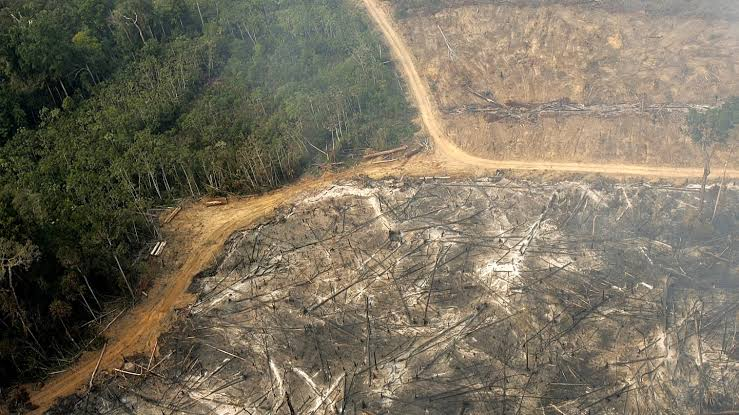
The world is nearing the 1.5°C climate threshold, with WMO data confirming that 2025 averaged 1.48°C above pre-industrial levels, marking three consecutive years of record heat. Climate extremes are no longer rare, but a new global reality. For Kenya, this warming trajectory threatens food security, water resources, and public health, underscoring the urgency of climate-resilient action.
Ruai residents are sounding the alarm as industrial pollution and failing sewer infrastructure threaten to derail the KSh 50 billion Nairobi River clean-up. Despite government efforts, toxic emissions and illegal dumping continue to spark a health crisis in the area.
Mombasa County has officially closed the Tudor Manyimbo dumpsite, ending decades of open dumping in the heart of Tudor Ward. The move follows the operationalisation of a material recovery facility, signalling a shift toward safer, recycling-based urban waste management.
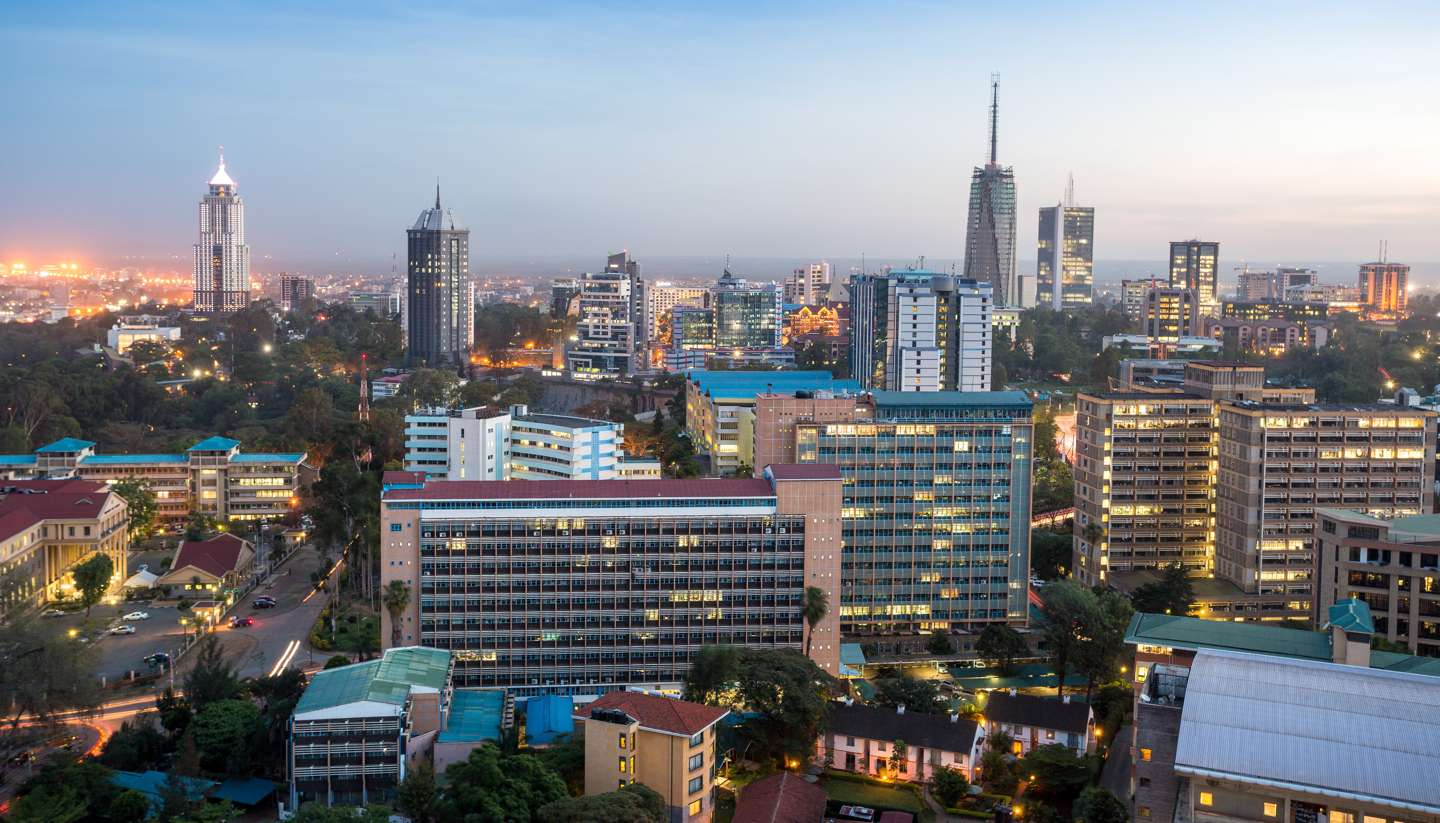
Kenya’s intermediary cities like Kiambu and Nakuru could determine the country’s climate future. A new OECD and UN-Habitat report warns that car-centred planning risks locking these fast-growing urban areas into high emissions. Early action on transport and land use could cut pollution while improving access to jobs and services.
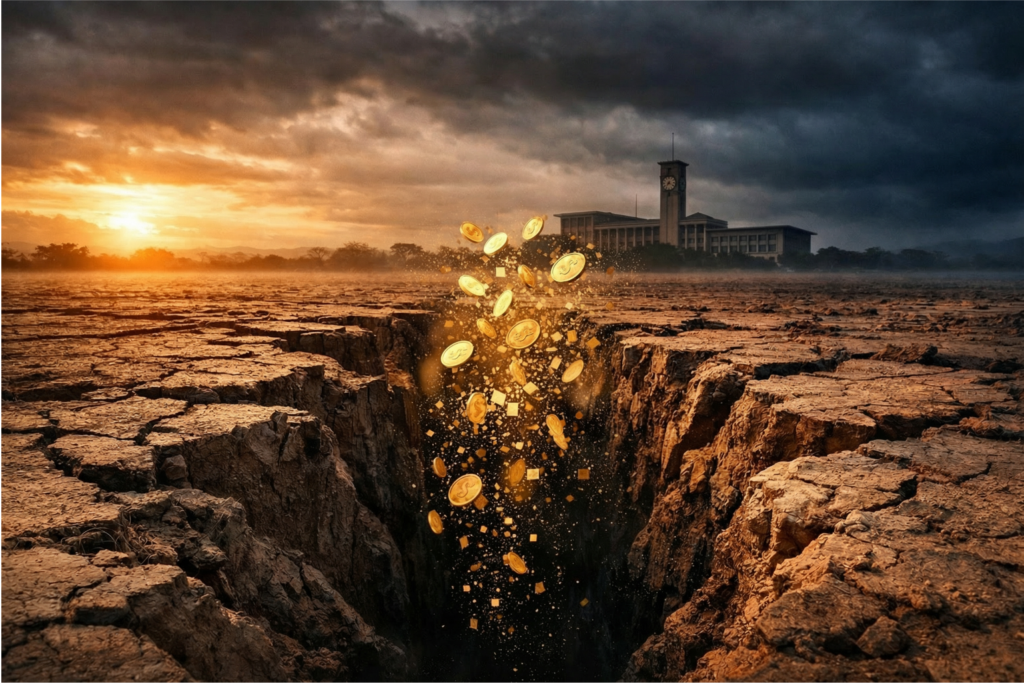
The United States has announced its withdrawal from dozens of international treaties and institutions, including the UNFCCC and IPCC. The move signals a major retreat from global climate leadership and raises concerns for climate finance, science, and multilateral cooperation. Developing countries stand to feel the impact most.
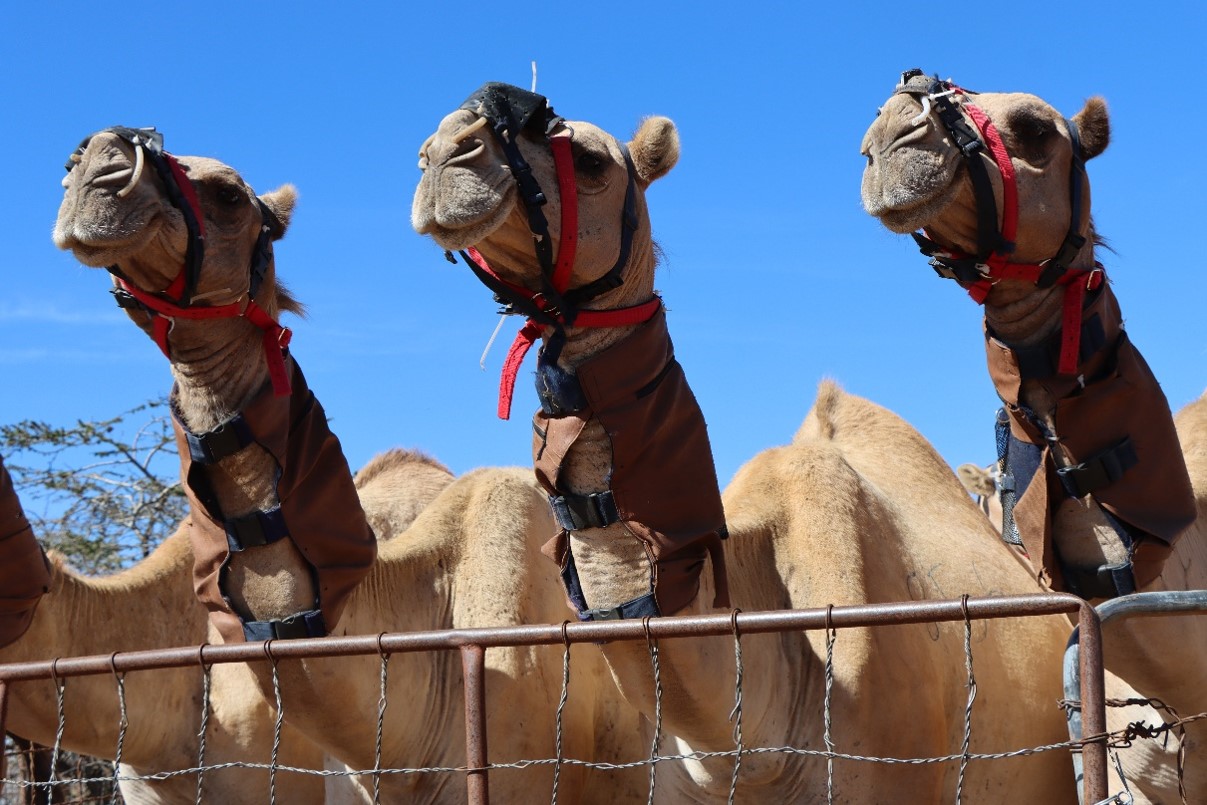
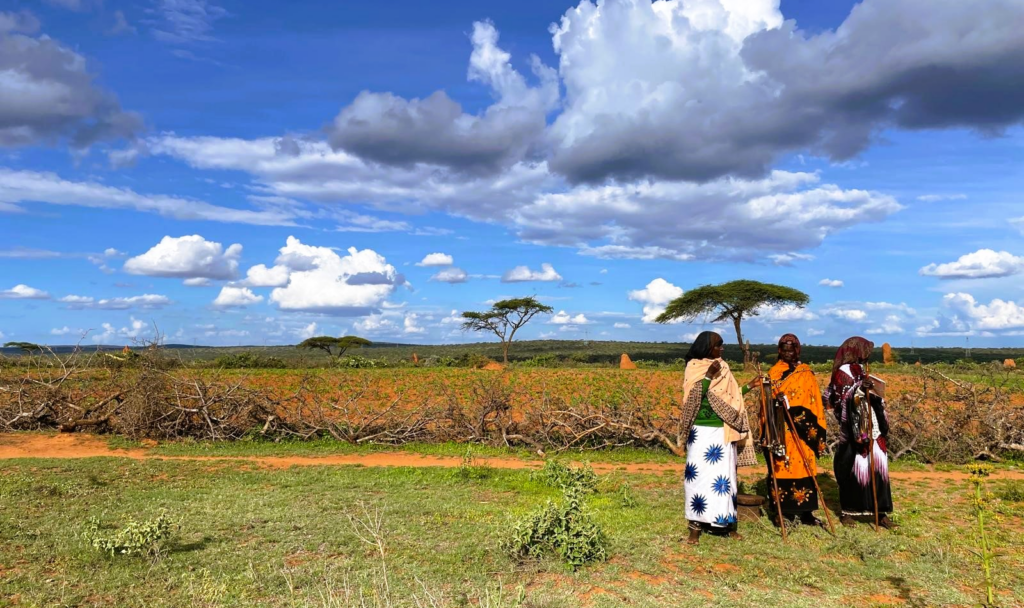
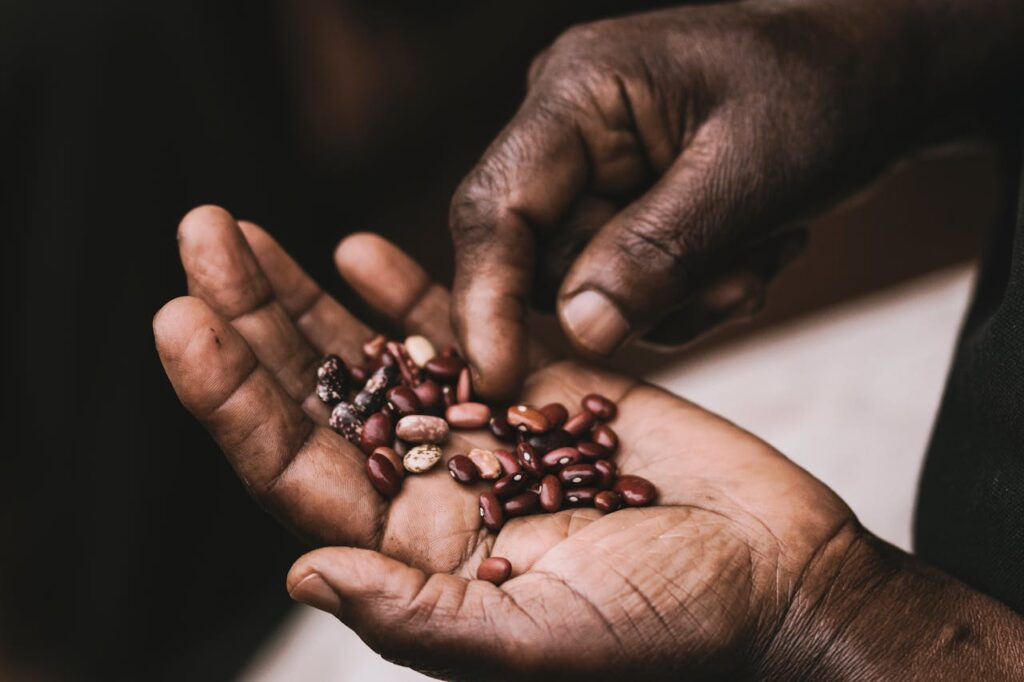
Kenya is currently grappling with the severe tail end of a persistent La Niña event, which has drastically suppressed expected rainfall across the nation. The resulting intensification of drought conditions is now posing a critical threat to millions of lives. An estimated 2.1 to 2.5 million people are projected to face acute food insecurity through early 2026.
The scramble for Venezuela’s oil is more than a power play—it’s a critical challenge to the global green transition. Africa, caught in the crossfire of first-world energy squabbles, must now navigate a landscape where oil interests threaten to sideline urgent climate action and resilience.