
Kenya is entering the October–December short-rains season with forecasts pointing to above-average rainfall across much of the country, raising the prospect of improved water availability and agricultural conditions but also heightened risks of flooding, landslides, waterlogging and disruption of transport and other economic activities.
The Kenya Meteorological Service Authority (KMSA) outlook for October-November-December shows the season is likely to be characterised by prolonged wet spells as well as episodes of heavy rainfall.
The authority says some areas began receiving rainfall in September, while most parts of the country are expected to experience the onset of the short rains between the second and fourth weeks of October.
The KMSA attributes the enhanced rainfall outlook to the evolving El Niño and Indian Ocean Dipole (IOD) conditions, warning that the wetter conditions may extend into early 2027. It also forecast warmer-than-average temperatures, particularly in parts of the Coast and northeastern Kenya.
The latest outlook forecast above-average rainfall across much of Kenya in October 2026, with higher probabilities in Kwale, Mombasa, Kilifi, Lamu and Mandera, as well as parts of Taita Taveta, Tana River, Garissa and Wajir counties.
According to the Kenya Meteorological Service Authority outlook for October-November-December, above-average rainfall is also expected in Makueni, Kajiado, Machakos, Nairobi, Kiambu, Murang’a, Kirinyaga, Embu, Tharaka-Nithi, Meru, Isiolo, Nyandarua and Nyeri, and parts of Taita Taveta, Tana River, Garissa, Wajir, Marsabit, Laikipia, Nakuru and Narok.
Near-average to above-average rainfall is expected in Baringo, Bomet, Bungoma, Busia, Elgeyo Marakwet, Homa Bay, Kakamega, Kericho, Kisii, Kisumu, Migori, Nandi, Nyamira, Samburu, Siaya, Trans Nzoia, Turkana, Uasin Gishu, Vihiga and West Pokot, as well as parts of Narok, Nakuru and Laikipia.
The Kenya Meteorological Service Authority’s outlook for October-November-December attributes the wetter conditions to a very strong El Niño and an expected positive Indian Ocean Dipole (IOD).
According to the authority, the timing of the rains will vary by region. In Nandi, Kakamega, Vihiga, Bungoma, Siaya, Busia, Baringo, Nakuru, Trans Nzoia, Uasin Gishu, Elgeyo Marakwet, West Pokot, Kisii, Nyamira, Kericho, Bomet, Kisumu, Homa Bay, Migori and Narok, rainfall is already underway and is expected to continue into January 2027.
In Nyandarua, Laikipia, Nyeri, Kirinyaga, Murang’a, Kiambu, Meru, Embu, Tharaka-Nithi, Nairobi, Machakos, Kitui, Makueni, Kajiado, Taita Taveta and inland parts of Tana River, the onset is expected in the second or third week of October, with rains continuing into January.
In Mombasa, Kwale, Lamu, Kilifi and the Tana Delta, rainfall will continue from September and is expected to cease in the first or second week of December.
Turkana, Samburu, Marsabit, Mandera, Wajir, Garissa and Isiolo are expected to receive the onset in the third or fourth week of October, with cessation in the first to second week of December.
According to the outlook, while the rains are expected to improve food production, heavier rainfall in some areas could cause waterlogging, delay farm work, increase crop diseases and make it harder to transport produce.
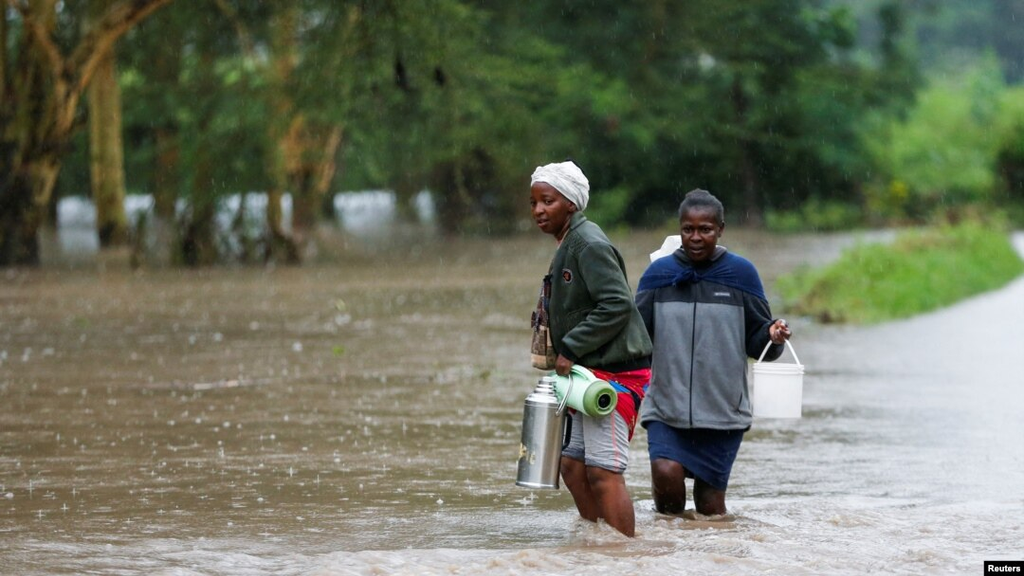
Heavy rainfall could also disrupt transport through flooding, waterlogging and erosion affecting roads and bridges. Rural access roads may become impassable after sustained rain, while overwhelmed drainage systems could cause traffic disruption in urban areas.
Stagnant water may create breeding grounds for mosquitoes, potentially increasing malaria transmission in susceptible areas. Flooding and poor drainage could also raise the risk of water-borne diseases where sanitation and water quality are compromised.
The outlook points to a higher likelihood of flash floods, riverine flooding, landslides and localized infrastructure damage. Low-lying coastal areas, flood-prone river basins, poorly drained urban centres and steep highland areas are among the locations identified as particularly vulnerable.
Rainfall is also expected to replenish rivers, dams, water pans and groundwater, improving supplies for domestic, agricultural and industrial use. The gains could be significant in arid and semi-arid areas recovering from the dry season, although intense rain may produce heavy runoff and localized flooding in catchments with inadequate drainage.