
Scientists at the Kenya Meteorological Service Authority (KMSA) have called on the Government and counties surrounding Lake Victoria and Rift Valley lakes to prepare for significant flooding as forecasts point to above-normal rainfall during the October to December short-rains season.
The warning comes as global climate models indicate that a strengthening El Niño is likely to develop towards the end of the year. If accompanied by a positive Indian Ocean Dipole (IOD), the phenomenon could substantially enhance rainfall across East Africa, including Kenya.
El Niño is a naturally occurring climate pattern characterised by unusually warm sea-surface temperatures in the central and eastern tropical Pacific Ocean. The phenomenon alters global weather patterns, often bringing drought to some regions while triggering unusually heavy rainfall and flooding in others.
In East Africa, strong El Niño events, particularly when reinforced by a positive IOD, have historically been associated with exceptionally wet October-to-December rainy seasons.
Speaking during a KMSA webinar on El Niño preparedness, Disaster Risk Management and Anticipatory Action expert Zachary Misiani said the convergence of the two climate systems is expected to intensify rainfall across much of Kenya. “The two signals could trigger an early onset of torrential rainfall,” he said.
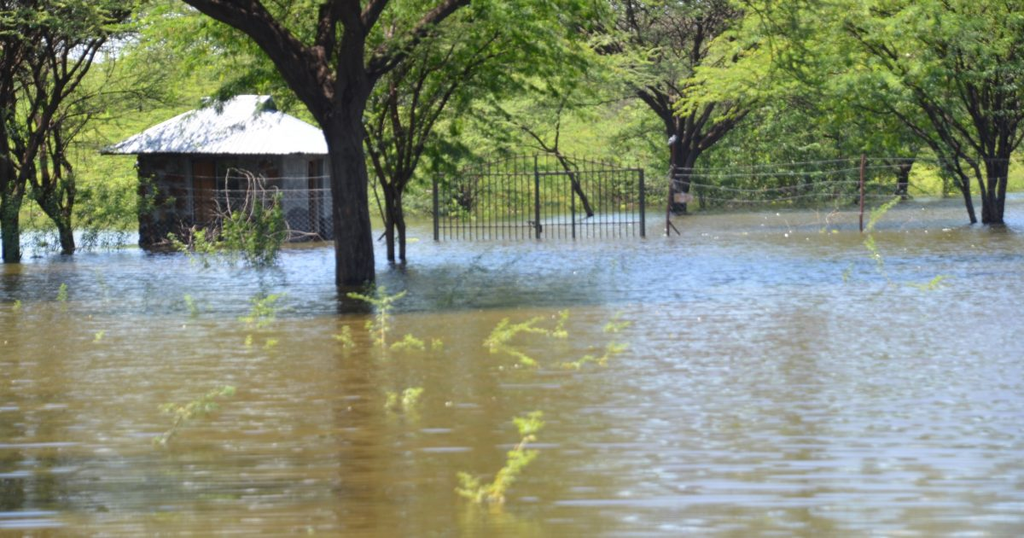
While the heavy rains are expected to trigger widespread flash floods, the scientist said the more persistent danger would come from rising lake levels and lake backflow into surrounding communities.
“The most critical concern is lake backflow affecting communities around Lake Victoria and the Rift Valley lakes, including Turkana, Naivasha, Baringo, Bogoria and Nakuru, which could compound existing displacement challenges. Homa Bay, Kisumu and Nakuru are among the counties most at risk as rising water levels push back into settled areas,” he said.
The warning comes against the backdrop of a prolonged period of unusually high lake levels across Kenya beginning in 2020, where successive seasons of above-average rainfall causing dramatic expansion of several lakes and the concern over another wet season is heightened by the impact on communities living near the lakes.
Around Lake Naivasha, expanding waters have displaced thousands of residents in Kihoto, Karagita and Kamere areas, submerged flower farms, hotels, beaches and roads, and increased human-wildlife conflict as hippos and crocodiles ventured closer to settlements.
At Lake Nakuru, rising waters inundated homes in Mwariki and Barut estates, submerged sections of the town’s sewerage system, swallowed farmland and affected parts of the national park, forcing wildlife to shift habitats and disrupting tourism.
Lake Elementaita, a UNESCO World Heritage Site, has experienced shoreline expansion that has altered critical habitats for flamingos and other waterbirds, raising concerns over biodiversity and tourism that depends on the lake’s unique ecosystem.
Around Lake Baringo, entire villages, schools, health facilities, roads, lodges and agricultural land have been submerged, displacing thousands of families and severely affecting fishing, livestock production and tourism. Rising waters have also brought crocodiles and hippos into closer contact with people, increasing human-wildlife conflicts.
At neighbouring Lake Bogoria, the expanding shoreline has inundated sections of the national reserve, damaged tourism infrastructure and threatened one of the world’s most important breeding and feeding grounds for flamingos and other migratory birds.
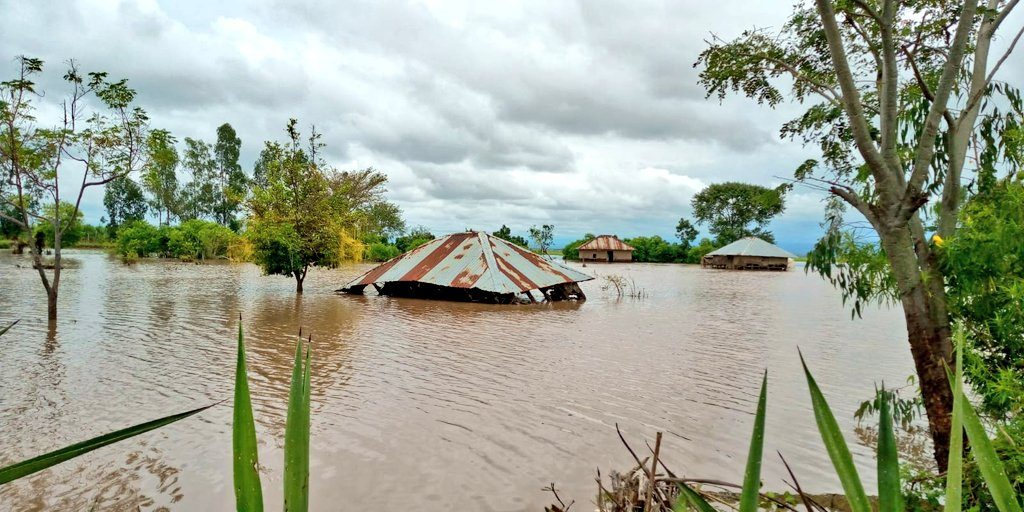
Further north, Lake Turkana has risen steadily over the past decade, flooding fishing villages, schools, roads and grazing lands, displacing lakeshore communities and disrupting livelihoods that depend on fishing and pastoralism.
Around Lake Victoria, prolonged high water levels have inundated beaches, ports, homes and public infrastructure across several counties.
Scientists note that many of the lakes remain above their long-term average levels, leaving surrounding communities more vulnerable should another exceptionally wet season materialise.
Beyond the lakes, Kenya’s five major river basins, the Tana, Athi, Turkana, Ewaso Ng’iro and Lake Victoria basins are expected to receive substantial inflows as the rains intensify. The increased runoff, experts warn, could expose thousands of households to riverine flooding, particularly in low-lying floodplains and settlements along the lower Tana River in Garissa, Tana River and Lamu counties.
The Athi River basin stand to affect Nairobi, Machakos, Makueni and Kilifi with the Ewaso Ng’iro basin affecting parts of Laikipia, Isiolo, Samburu and Garissa, while rivers draining into Lake Victoria could affect communities across Kisumu, Busia, Siaya, Homa Bay and Migori counties.
“When catchments become saturated, riverine flooding becomes inevitable,” Misiani warned. “These rains are also likely to disrupt learning as schools in flood-prone areas become inaccessible, while roads, bridges and other critical infrastructure could be cut off or damaged, limiting access to essential services and emergency response.”
KMSA Deputy Director Hannah Kimani said the evolving El Niño outlook presents both opportunities and challenges for agriculture. She noted that western Kenya has experienced depressed rainfall in recent months, but the anticipated rains are likely to improve moisture conditions across many farming areas.
“There is potential for crop failure in some parts, especially over the North Rift,” Kimani said, warning that excessive rainfall could damage crops through flooding, waterlogging and the spread of crop diseases.
At the same time, she encouraged farmers who have already harvested to take advantage of the current dry spell to dry and safely store produce before the rains arrive, thereby reducing post-harvest losses. “In the eastern sector, stakeholders can utilise the forecast rainfall to strengthen food security while remaining vigilant against flood risks,” Kimani said.
Climate experts say Kenya’s experience during previous El Niño episodes demonstrates that preparedness must begin before the rains arrive. The 1997-98 El Niño remains one of the country’s most destructive climate disasters, causing widespread flooding, loss of life, outbreak of diseases, extensive damage to roads and bridges, and massive economic losses.
More recently, prolonged heavy rainfall between 2023 and 2024 exposed communities around major lakes, rivers and urban centres to extensive flooding, with many households still recovering from displacement and damaged livelihoods.
Scientists say the current forecasts provide the Government and counties with a critical window to strengthen early warning systems, clear drainage channels, identify evacuation centres, protect critical infrastructure and relocate households in the most vulnerable settlements before water levels begin to rise and flooding happen.
With global climate models pointing to a strengthening El Niño and the possibility of a positive IOD later this year, meteorologists say the coming months will test Kenya’s ability to translate early warnings into timely action.