Kenya Activates Emergency Measures as El Niño Risk Rises Above 90 Per Cent

Kenya Activates Emergency Measures as El Niño Risk Rises Above 90 Per Cent

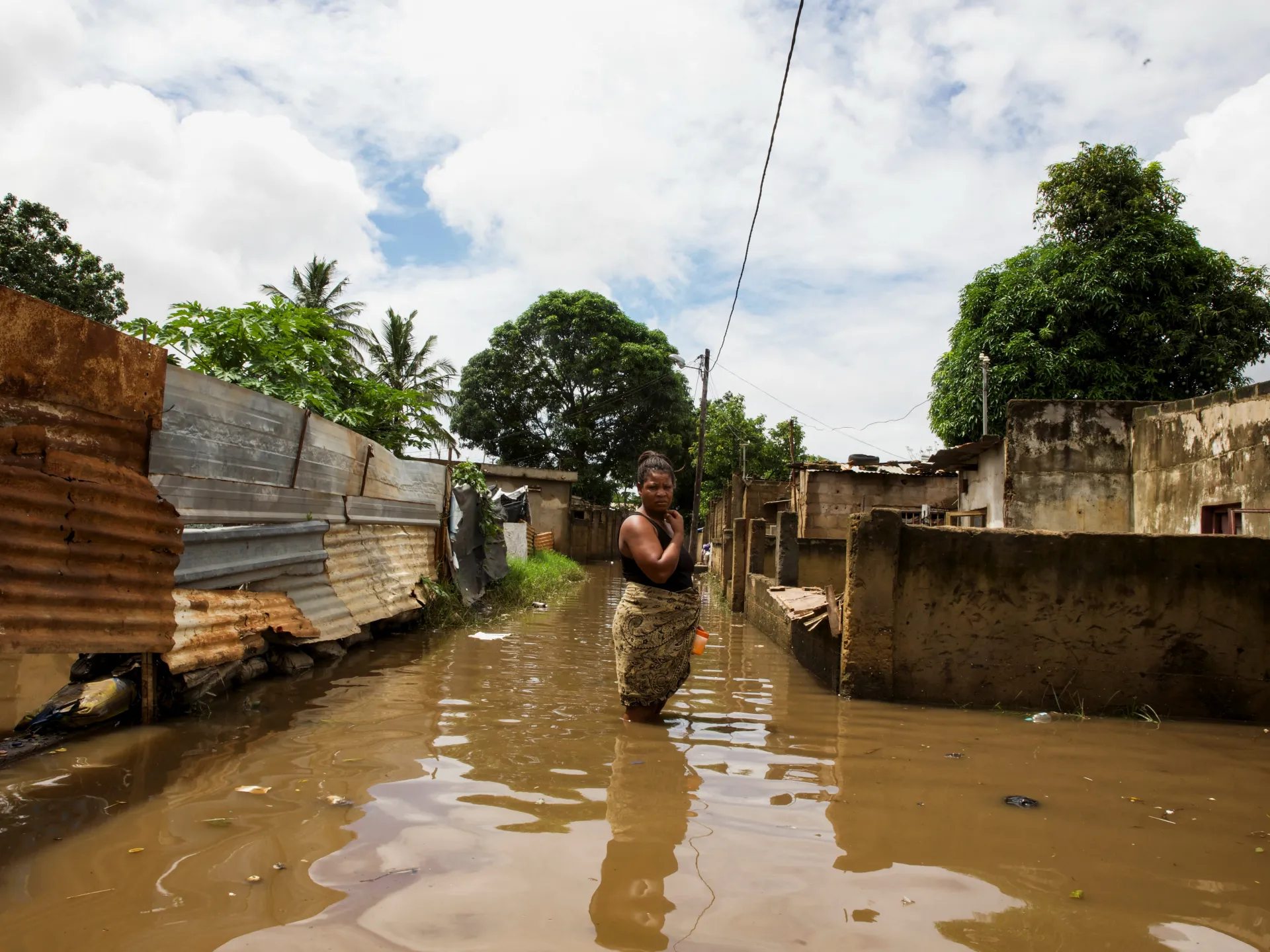
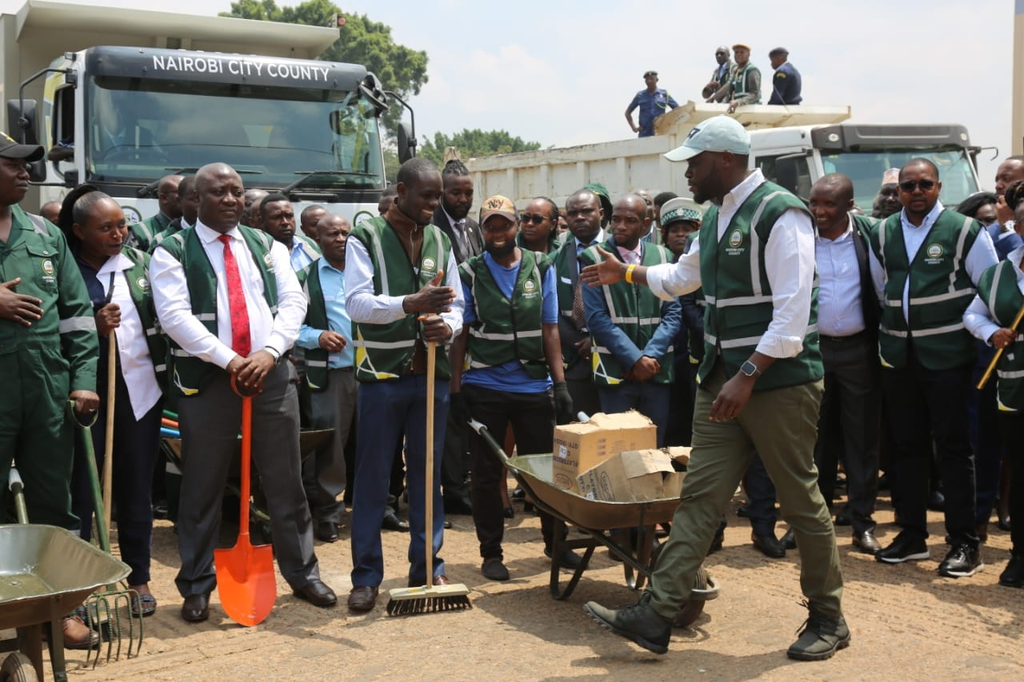
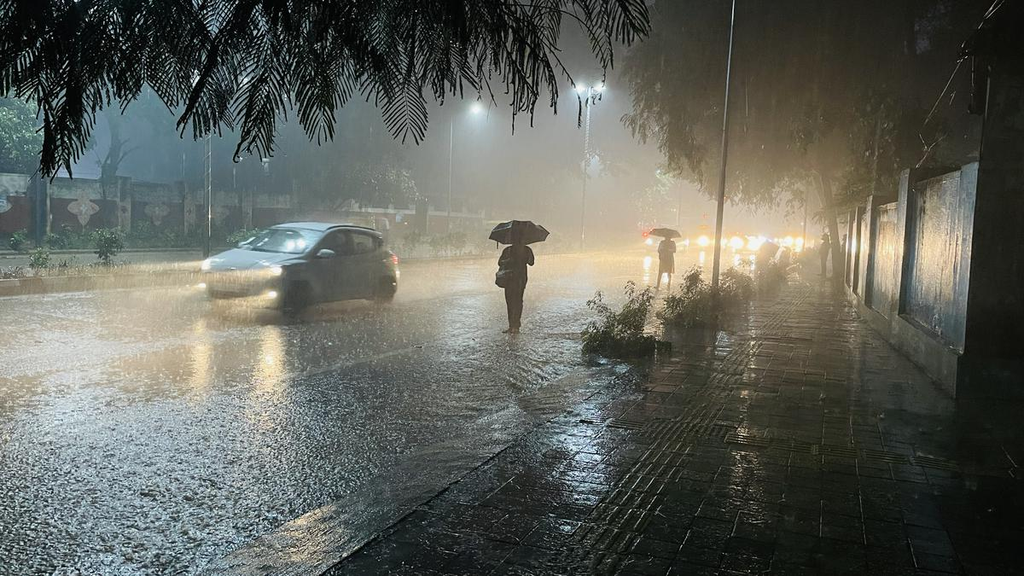
Kenya has activated emergency preparedness measures as the likelihood of a strong El Niño event during the October–December short rains rises above 90 per cent. With 18 counties facing heightened risks, authorities are strengthening drainage systems, preparing evacuation centres and placing emergency teams on standby to reduce deaths, displacement and damage.
Horn Of Africa Steps Up Displacement Forecasts As El Niño Raises Flood Risk

Horn Of Africa Steps Up Displacement Forecasts As El Niño Raises Flood Risk

As El Niño raises the risk of extreme rainfall across the Greater Horn of Africa, ICPAC is strengthening efforts to forecast where climate disasters could force people from their homes. By combining climate forecasts with data on poverty, livelihoods and past displacement, the initiative aims to help governments and humanitarian agencies act before communities are forced to flee.
How Women in Narok are Restoring Land and Reshaping Lives

How Women in Narok are Restoring Land and Reshaping Lives

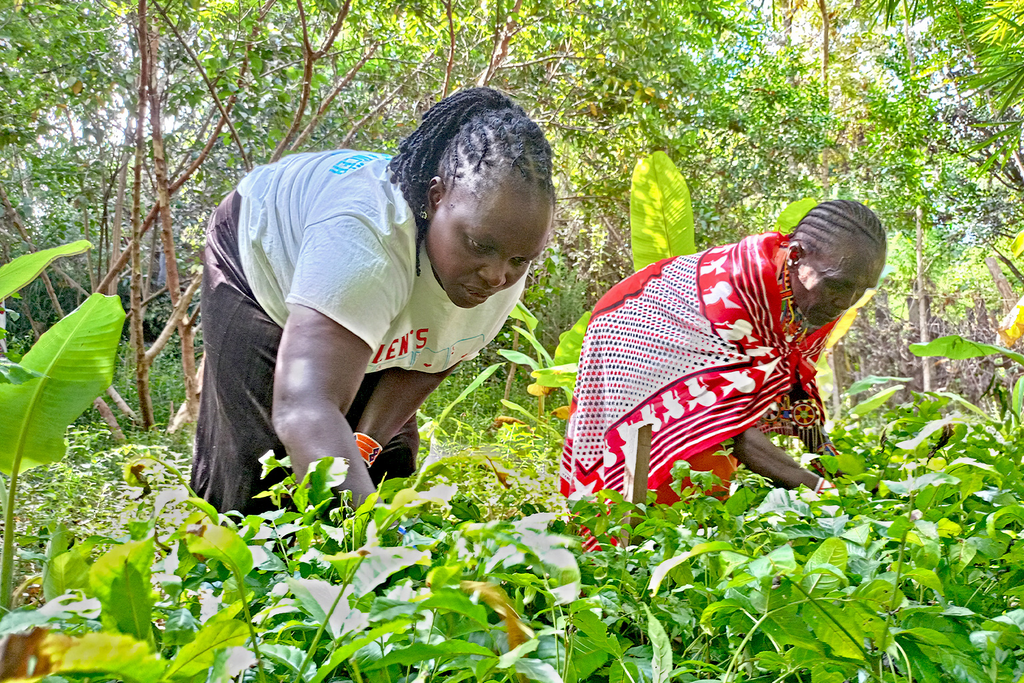
Indigenous women in Narok are combining traditional ecological knowledge with agroforestry, tree nurseries and sustainable livelihoods to restore degraded sections of the Mau Forest. Through the Paran Women Group, conservation is also creating income, strengthening women’s decision-making power and preserving knowledge passed down through generations.
East Africa Told to Prepare for Climate Shocks Beyond El Niño

East Africa Told to Prepare for Climate Shocks Beyond El Niño

East African governments are being urged to look beyond the immediate threat of El Niño and build permanent defences against increasingly severe climate shocks. VI Agroforestry says the region needs stronger early-warning systems, resilient infrastructure, sustainable farming, watershed restoration and locally led adaptation to reduce the risks of floods, landslides, drought and displacement.
Africa Braces for El Niño as Drought and Flood Risks Threaten Food Security

Africa Braces for El Niño as Drought and Flood Risks Threaten Food Security

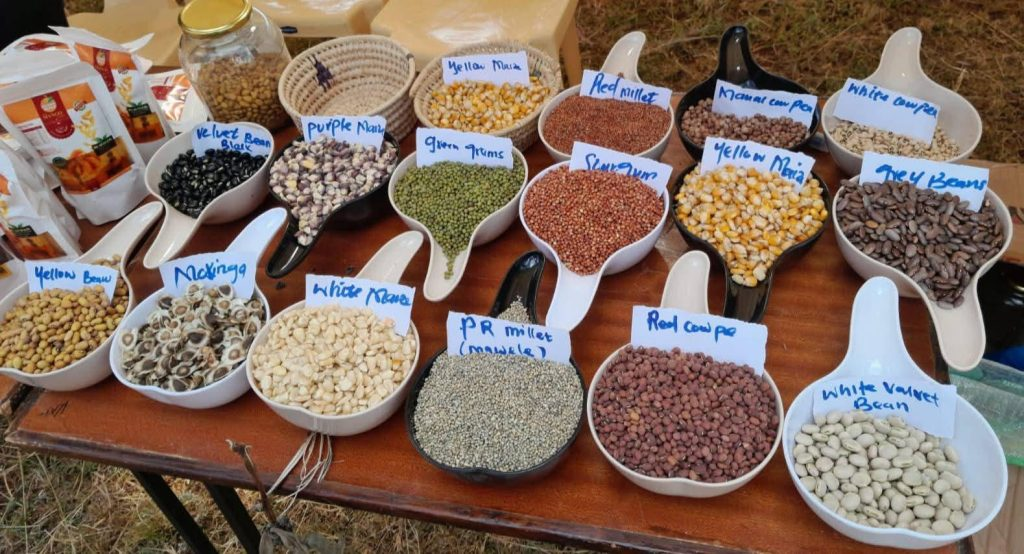
Africa is bracing for worsening food-security pressures as a strengthening El Niño raises the risk of drought in Southern Africa and heavier-than-normal rainfall in East Africa. With more than 306 million Africans undernourished in 2024, experts are urging governments and farmers to strengthen water harvesting, soil conservation, flood protection and climate-resilient farming before the October–December rains.
Rising Lakes Put Kenya on Alert as El Niño Threat Grows

Rising Lakes Put Kenya on Alert as El Niño Threat Grows

Kenyan scientists are warning communities around Lake Victoria and the Rift Valley lakes to prepare for possible flooding as a strengthening El Niño and a potential positive Indian Ocean Dipole (IOD) threaten above-normal rainfall later this year. With lake levels already elevated after years of heavy rains, experts say early action could help protect lives, infrastructure and livelihoods.
Strong El Niño Set to Intensify in August – October Period

Strong El Niño Set to Intensify in August – October Period

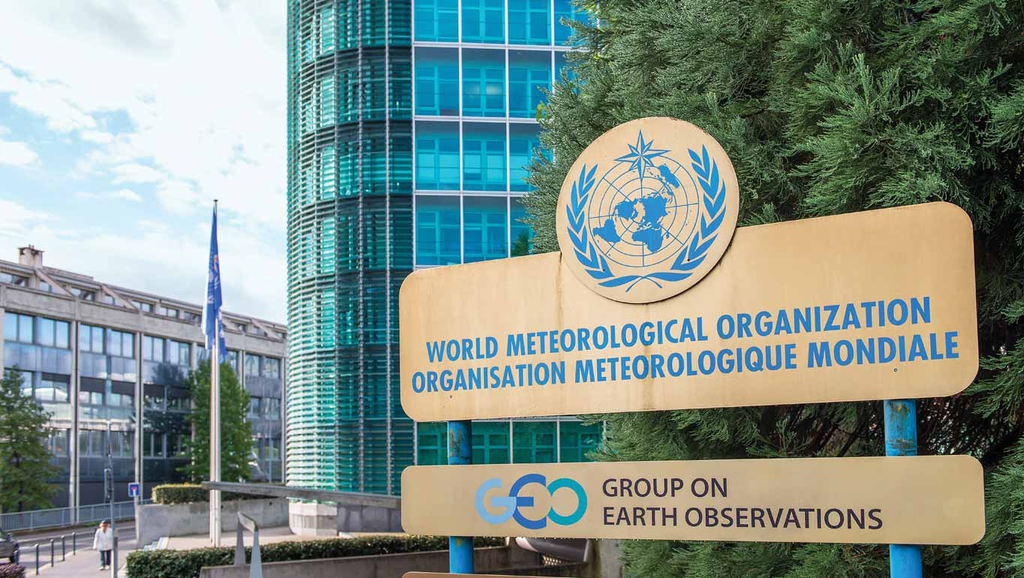
A strengthening El Niño is expected to dominate global weather patterns through August to October, bringing above-normal temperatures and increasing the risk of floods in East Africa and drought in Southern Africa. The World Meteorological Organization is urging governments to strengthen early warning systems and disaster preparedness as climate change amplifies the impacts of the naturally occurring phenomenon.
Kenya’s Development Drive Collides with Conservation

Kenya’s Development Drive Collides with Conservation

Kenya's push for economic growth is increasingly colliding with environmental conservation as major infrastructure projects proposed inside forests and protected areas spark legal battles and public protests. While the government argues development and conservation can coexist, environmental groups question whether protected ecosystems are being sacrificed without adequate environmental assessments, public participation or consideration of less damaging alternatives.